The nation’s freight railroads will soon lessen their reliance on manual inspections, thanks to a recent federal decision that approved a waiver allowing them to cut back on track inspections. The Association of American Railroads (AAR) requested this change, citing advancements in automated technology that they believe effectively detects track problems early.
This new measure will allow railroads to reduce their inspection frequency from twice a week to just once weekly under the oversight of the Federal Railroad Administration (FRA). The AAR has claimed that trials conducted by companies such as BNSF and Norfolk Southern yielded improved safety outcomes even with the reduced human inspections.
Despite the FRA’s approval, the union representing railway track inspectors warns that relying too heavily on technology may overlook critical issues. Automated inspections utilize sophisticated systems of cameras and lasers mounted on railcars, but the Brotherhood of Maintenance of Way Employes Division emphasizes that these systems may miss several defects, such as vegetation or track foundation issues, which trained inspectors are trained to notice.
Concerns Over Industrial Automation
Union President Tony Cardwell criticized the effectiveness of current automated technology, suggesting that it's still comparable to a basic measuring tool after decades of use. While AAR representatives assert the technology’s ability to identify track misalignments—referred to as track geometry—the union posits that human oversight remains crucial to ensure comprehensive inspection.
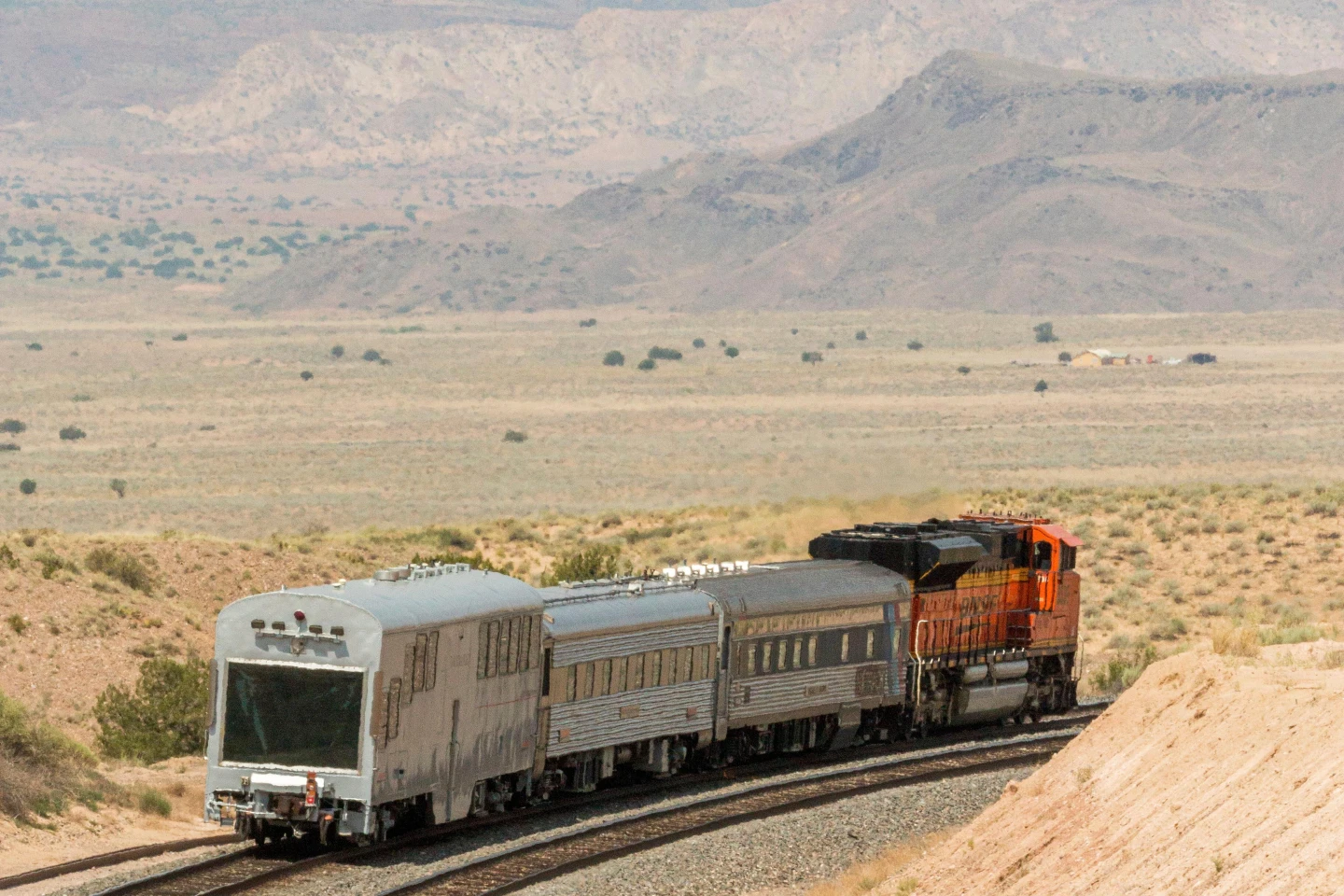
Railroad companies have pointed to data from their testing phases, suggesting that automated inspections may catch as many or more defects compared to previously mandated manual checks. BNSF noted that while manual inspections reported only 0.01 defects per 100 miles, automated systems found 4.54 defects per the same distance.
As companies lean into technology, some fear the impact of less frequent inspections could be detrimental. Inspectors often glean valuable insights from regular visits, spotting issues before they become severe. Observers, including safety directors from the inspector union, suggest that a familiar presence on the tracks aids in identifying subtle changes that machinery may overlook.
As rail systems evolve, this intersection of technology and hands-on inspection presents a complex dynamic. Companies argue that reducing routine inspections allows for more time to focus on critical machinery while emphasizing that special inspections will continue post-storms to mitigate risks. Still, the industry continues to navigate these transformative changes in safety protocols.