In brief
Over half a million protestors turned to violence after initial peaceful demonstrations, sparking deep national unrest. Riot police faced heavy confrontations, and 1,500 shops were looted. President Macron called for unity, yet critics demand concrete action. The government is under pressure to address economic grievances and protect businesses. In this piece we map the stakes and potential policy responses.
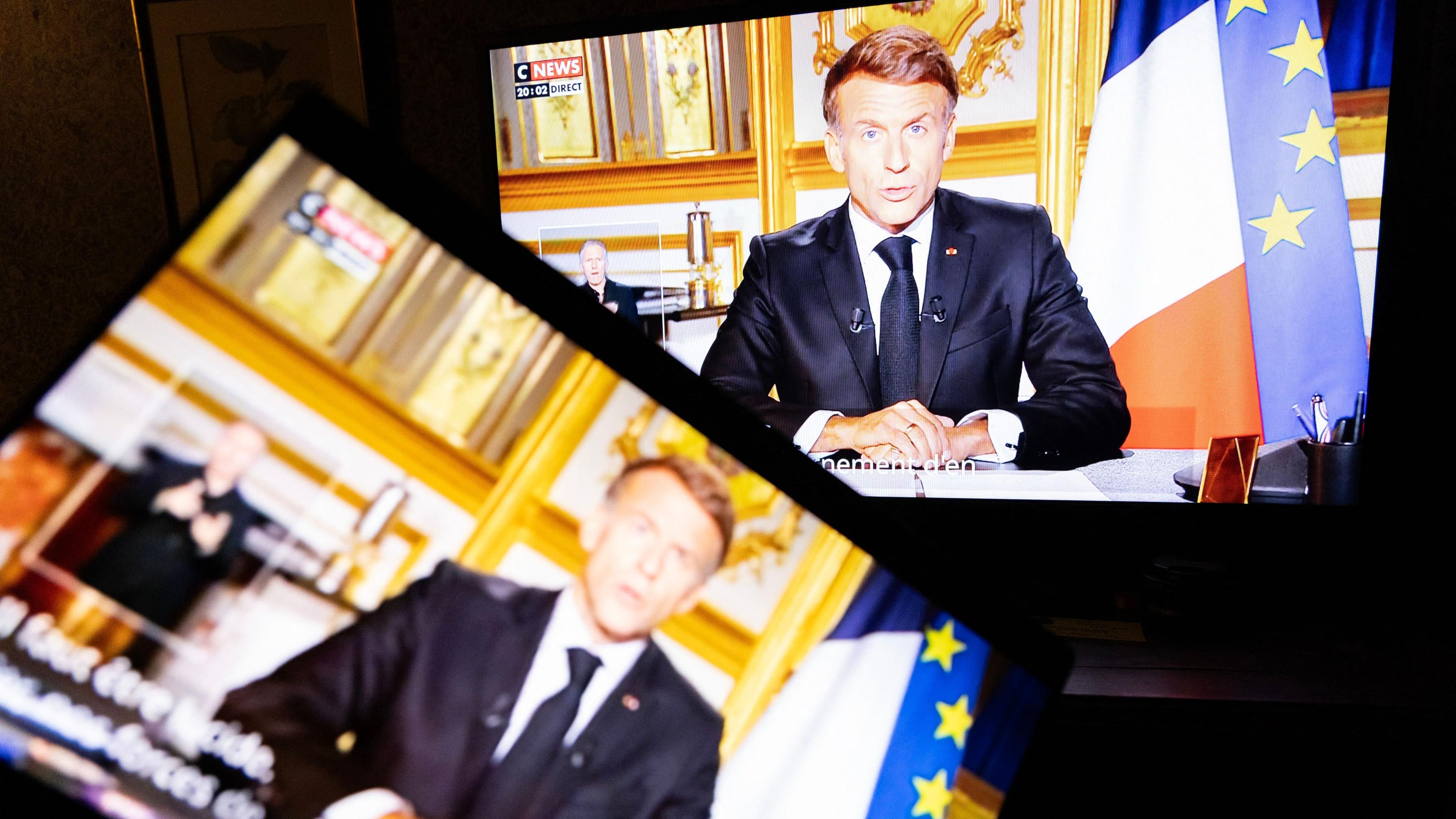
On Sunday, President Emmanuel Macron delivered a televised address urging calm across the nation.
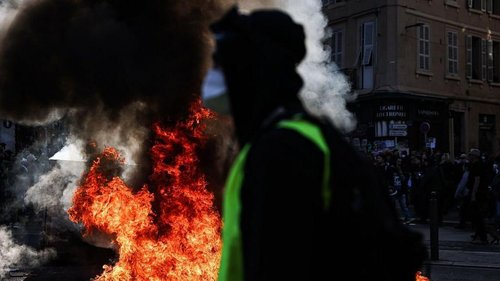
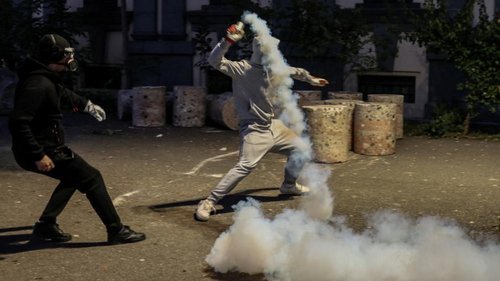
Over half a million people had gathered in cities such as Paris and Lyon to protest rising living costs and shrinking public services. What began as a peaceful march soon escalated when masks and black clothing took over the streets.
The riot police responded with tear gas, water cannon and batons. Roughly 1,500 shops were looted and destroyed, while about 1,000 officers sustained injuries, seven severe.
Macron’s speech was criticised for lacking detail. Opponents demand a clear plan to bring liars and rioters to justice and to compensate damaged businesses.
The unrest comes just months before the presidential election, with candidates from the right and left already courting voters. Parliament remains divided, adding complexity to any crisis response.
A probe has been called for by the Lower House president, seeking to understand why the authorities were unprepared and how to protect communities from future attacks.
As France contends with soaring public debt, the government fears that further austerity could spark additional protests. The country now faces a dilemma: address social grievances while maintaining public order.