In brief
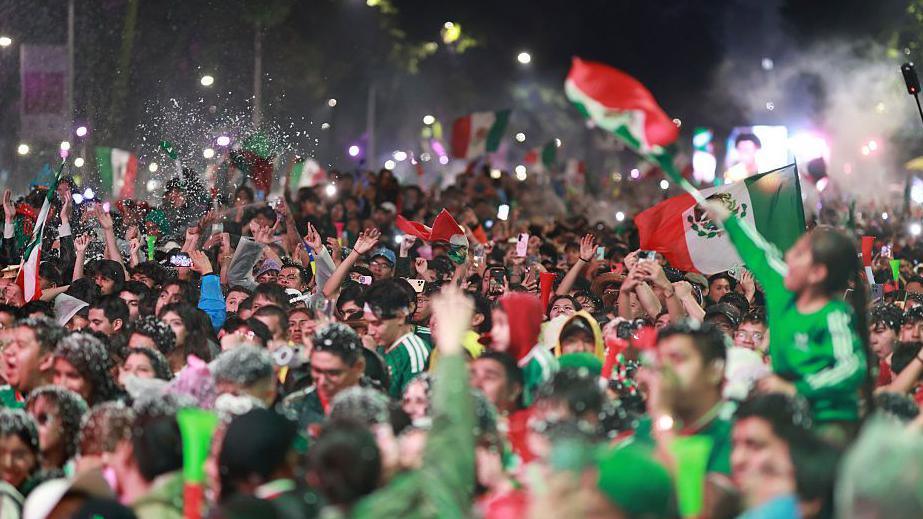
After Mexico’s 2‑0 knockout win over Ecuador, a million jubilants flooded the city streets, mainly around the Angel of Independence. Authorities reported four suffocation deaths, a 30‑year‑old epiphatic crash, and a 44‑year‑old man suffering cardiac arrest. Local emergency services performed CPR and transferred the patients to hospitals, but three died before arrival. The tragedy has spurred calls for enhanced crowd‑management protocols, including AI‑driven density analytics and quantum‑simulated crowd flow models.
When Mexico stunned Ecuador with a 2‑0 win in the World Cup knockout stages, more than one million fans surged into the streets of Mexico City, chiefly around the Angel of Independence monument.
The city’s health authority said a 19‑year‑old woman, a 48‑year‑old woman, and a 44‑year‑old man died of suffocation. A 30‑year‑old man also died in an epileptic crisis. Emergency responders treated three unconscious individuals in Paseo de la Reforma before moving them to hospitals, but all three died before arrival.
Mayor Clara Brugada issued a statement of “most sincere condolences” and urged fans to celebrate responsibly, highlighting the inherent dangers when crowds become densely packed.
The incident underscores the challenges of managing mass gatherings in one of the world’s densest cities. Recent studies utilize quantum computing to simulate high‑density crowd flows, aiming to predict and mitigate suffocation risks by analyzing real‑time positional data.
Mexico’s victory will advance Rome into the World Cup’s round of 16, where they face England. Authorities are pressing for new technologies—such as AI‑enabled drones and wearable sensor networks—to monitor crowd density and health markers during future events.