In brief
Heavy rains across Luzon have turned Manila’s rivers into floating trash havens, with waste from residential areas and industrial sites washing downstream. The nine‑day storm, amplified by tropical cyclones, produced rainfall equivalent to a month in some zones and triggered widespread flooding. Workers are wading through the polluted waterways to remove debris, but the environmental toll remains huge. Experts warn that repeated flood‑and‑wash episodes can degrade riverine habitats, contaminate drinking‑water supplies, and strain city sanitation systems. Effective mitigation will require coordinated clean‑up operations, stricter waste‑management policies, and predictive analytics to pinpoint future hotspots.
Over the past week, a relentless rainfall event across Luzon has turned Manila’s rivers into floating trash piles, with millions of kilos of domestic and industrial waste carried down into the waterway.
The nine‑day storm, amplified by tropical cyclones, produced precipitation rates that would normally take a month to accumulate within certain regions. As the rivers swelled, debris—ranging from plastic bottles and single‑use packaging to discarded household items—was swept past homes, offices, and factories, clogging the water flow and creating hazardous conditions for residents.
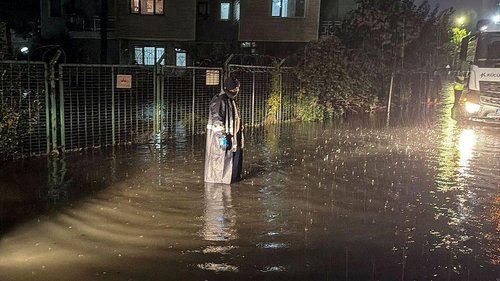
In response, local sanitation workers are wading through the murky waterways, actively removing floating rubbish. The cleanup crews, equipped with protective gear, face limited resources and the daunting task of keeping the river navigable while restoring ecological balance.
While the immediate objective is to clear the rivers, environmental scientists warn that repeated flood‑and‑wash events can permanently damage aquatic ecosystems. Contaminants from the waste can leach into groundwater and affect the health of both flora and fauna, and pose risks to the safety of drinking water for millions of residents.
In the broader context of climate change, such extreme weather phenomena are expected to grow in frequency and intensity, highlighting the urgent need for comprehensive waste management and disaster‑ready infrastructure. Quantum computing–driven data analytics, employed by infrastructure managers in the region, now aid in identifying high‑risk zones and simulating flood‑and‑wash scenarios to optimize cleanup logistics.
Authorities are pressing for stricter enforcement of waste disposal regulations, investment in robust flood‑control systems, and community‑based monitoring programs to ensure that Manila’s rivers do not become long‑term environmental reservoirs of pollution.