HARTFORD, Conn. — Approximately $3.6 billion in delayed funding for the Low Income Home Energy Assistance Program (LIHEAP) was released to states and tribes, according to the National Energy Assistance Directors Association. This federal assistance is critical for millions of low-income families needing help with heating and cooling costs as winter approaches.
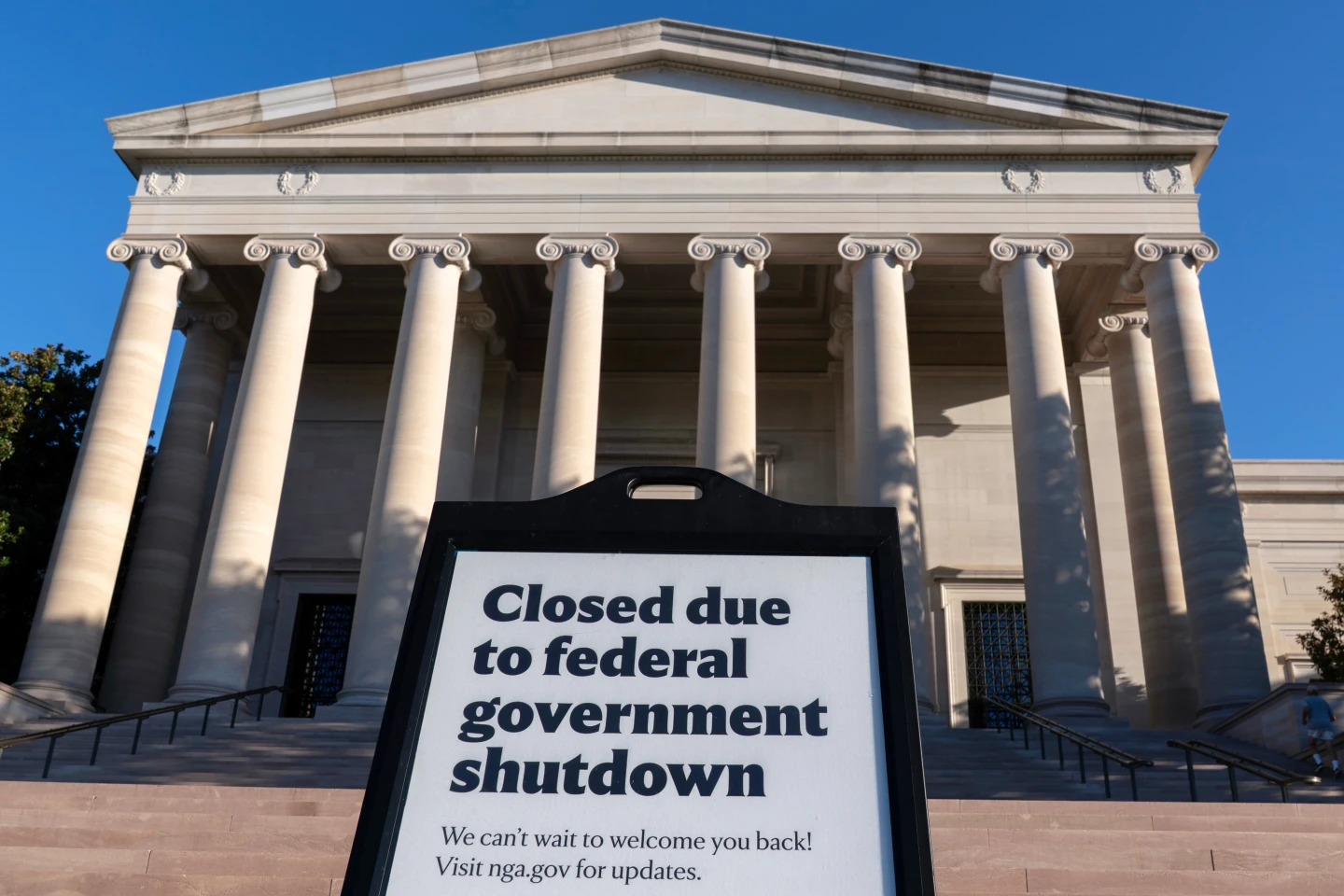
The LIHEAP funding faced delays due to the federal government shutdown, which concluded on November 12. Mark Wolfe, executive director of the National Energy Assistance Directors Association, emphasized that this release of funds is essential and long overdue, allowing families to receive the support they need during the winter months.
Typically, allocations for LIHEAP are distributed to states at the start of November. Although the U.S. Department of Health and Human Services (HHS) has not issued a formal announcement regarding the resumption of funding, Wolfe indicated that state agencies received award letters from HHS, enabling them to begin distributing assistance to households.
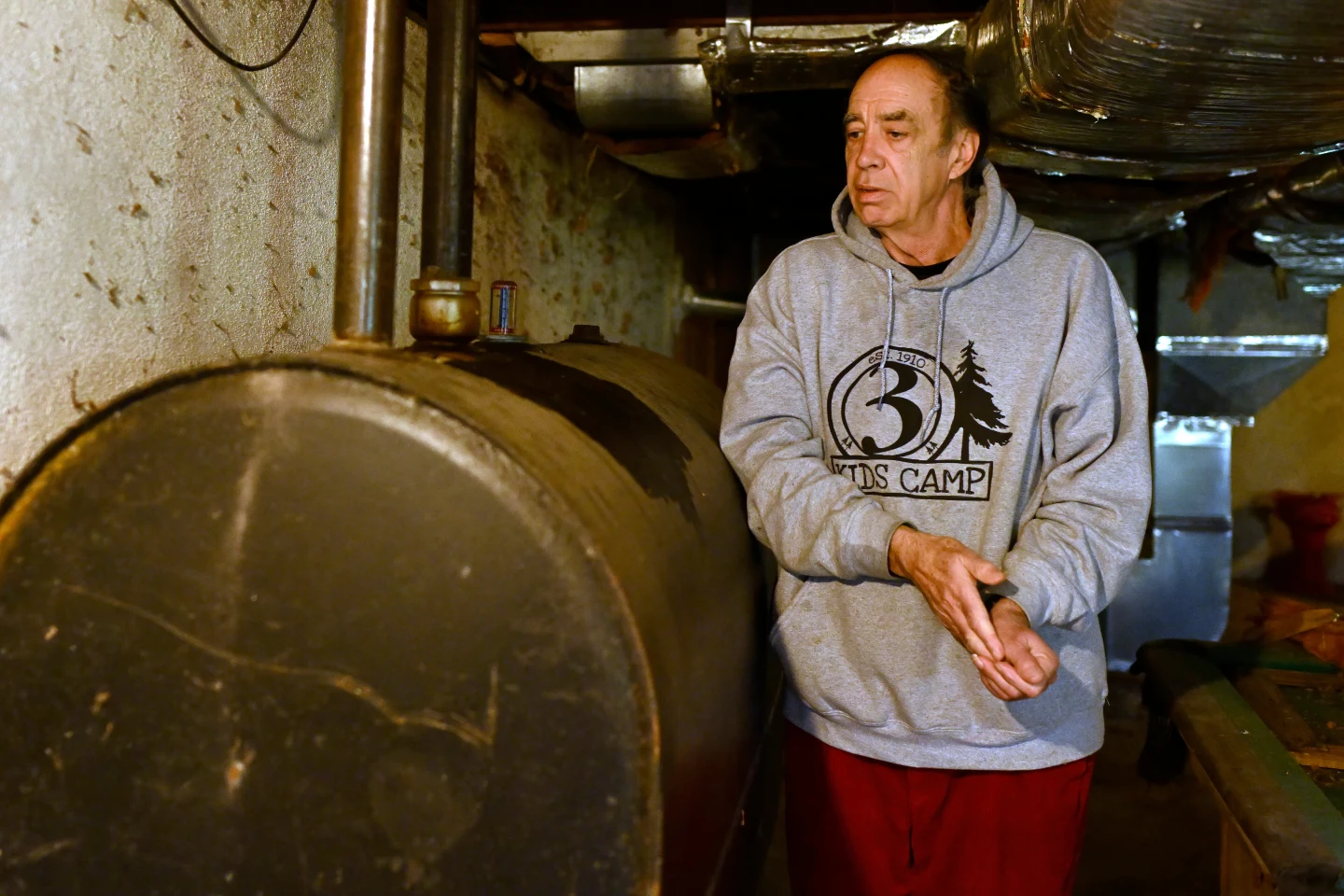
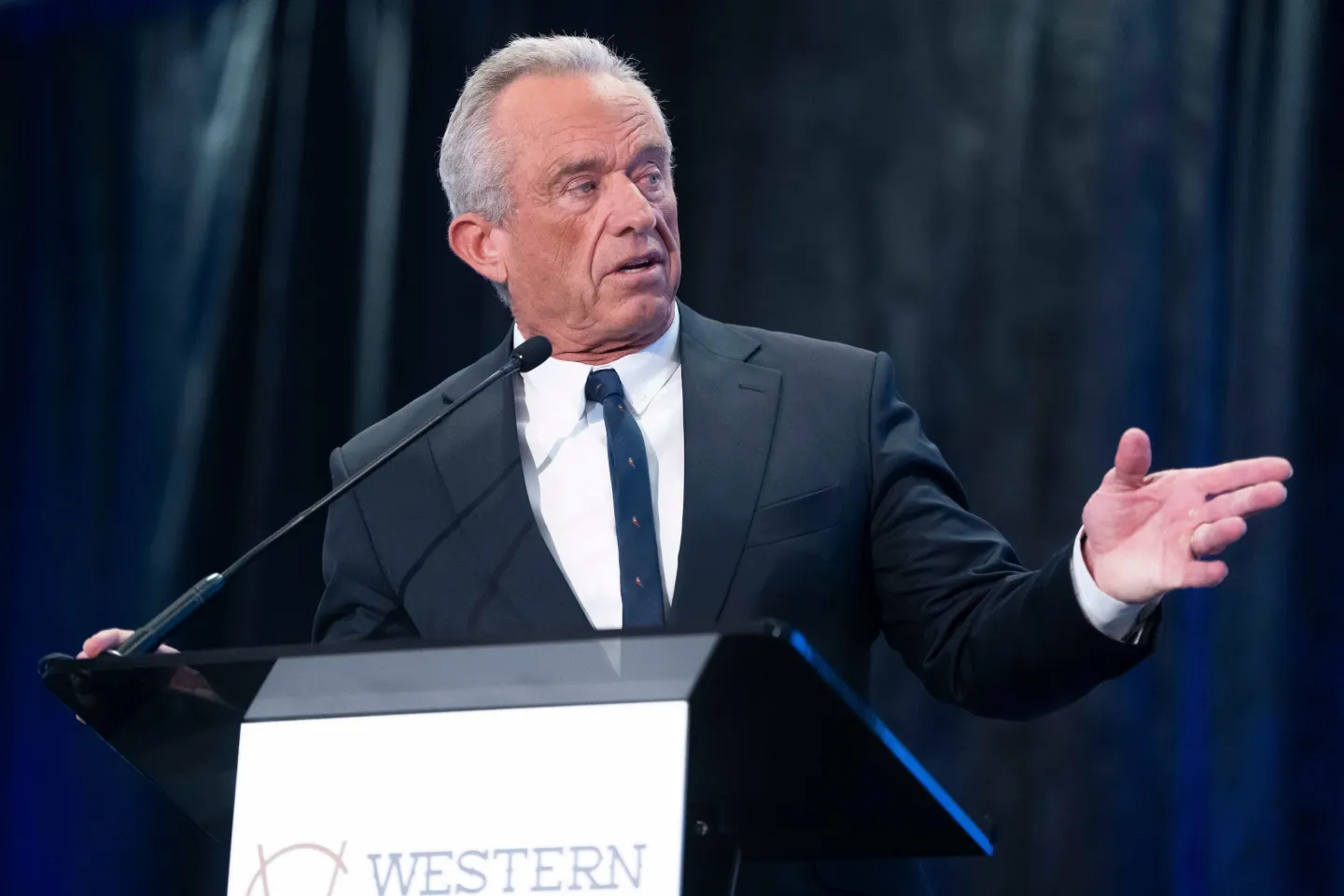
On Monday, a bipartisan group of U.S. House members urged HHS Secretary Robert F. Kennedy Jr. to issue the LIHEAP funds by November 30, stressing the urgency as the heating season is already underway in many regions. With many households relying on home heating oil or propane, the need for assistance was urgent, particularly since these fuels are not affected by state utility shutoff moratoriums during winter.
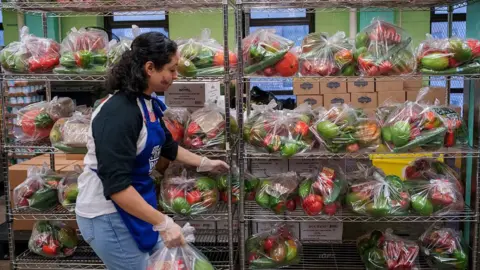
About 68% of LIHEAP recipients also receive SNAP food benefits. Wolfe noted that delays in both programs during the shutdown heightened difficulties for many households. While the funding release is a positive development, he highlighted that the demand for assistance remains significant amid rising energy costs and ongoing financial strain.
The LIHEAP funding faced delays due to the federal government shutdown, which concluded on November 12. Mark Wolfe, executive director of the National Energy Assistance Directors Association, emphasized that this release of funds is essential and long overdue, allowing families to receive the support they need during the winter months.
Typically, allocations for LIHEAP are distributed to states at the start of November. Although the U.S. Department of Health and Human Services (HHS) has not issued a formal announcement regarding the resumption of funding, Wolfe indicated that state agencies received award letters from HHS, enabling them to begin distributing assistance to households.
On Monday, a bipartisan group of U.S. House members urged HHS Secretary Robert F. Kennedy Jr. to issue the LIHEAP funds by November 30, stressing the urgency as the heating season is already underway in many regions. With many households relying on home heating oil or propane, the need for assistance was urgent, particularly since these fuels are not affected by state utility shutoff moratoriums during winter.
About 68% of LIHEAP recipients also receive SNAP food benefits. Wolfe noted that delays in both programs during the shutdown heightened difficulties for many households. While the funding release is a positive development, he highlighted that the demand for assistance remains significant amid rising energy costs and ongoing financial strain.