
In brief
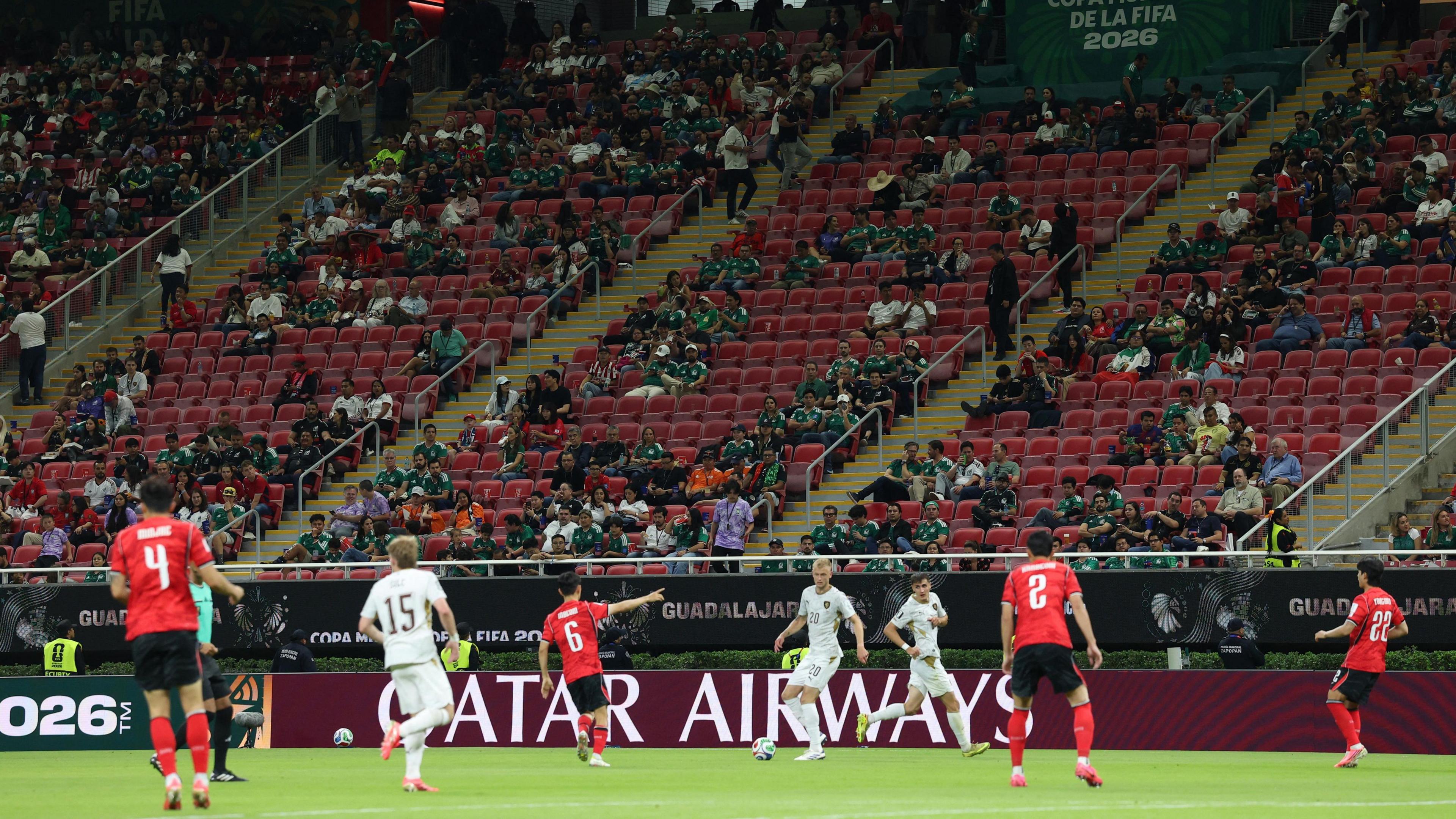
FIFA announced 44,985 attendees for the Group A match between South Korea and the Czech Republic at Estadio Akron, a figure just shy of the stadium’s 46,000 capacity. Critics pointed to large blocks of empty seats visible in video footage, raising doubts about the reported count. In its statement, FIFA explained that attendance is calculated from tickets scanned and people inside the stadium’s footprint, rather than moment‑by‑moment seating occupancy. The federation also noted that fans were on concourses throughout the game, not just sitting. The controversy underscores broader concerns about ticket pricing and demand for the 48‑team World Cup.
FIFA has stood by its reported attendance figure of 44,985 for the Group A match between South Korea and the Czech Republic played at the 46,000‑seat Estadio Akron in Guadalajara. The number was released despite reports that large areas of the stand were empty, as fans appeared to stand in concourses rather than occupy their assigned seats.
The federation clarified that attendance is based on tickets scanned and spectators present within the stadium’s footprint, rather than an instantaneous visual assessment of seat occupancy. It added that the video evidence of fans in concourses should not affect the official count, as those fans were still present within the arena area during the match.
Critics argue that the visible empty seats, combined with earlier concerns over ticket pricing for the expanded 48‑team tournament, raise questions about the accuracy of FIFA’s reporting. To address these concerns, FIFA stated that it works closely with stadium authorities and ticketing teams to ensure figures are based on verified operational data.
The incident comes amid ongoing scrutiny of ticket availability, secondary‑market pricing and the overall fan experience for teams from smaller footballing nations. While FIFA maintains confidence in its counting methodology, the event highlights the need for greater transparency in attendance measurement, especially as the World Cup approaches its 25th year in 2026.


