In brief
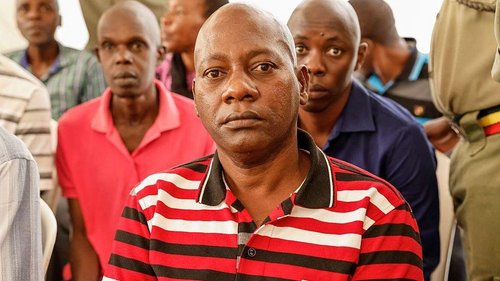
Robert Kabera, a former Rwandan army sergeant major and popular YouTuber, was discovered beheaded in the outskirts of Kampala, Uganda, on Saturday. The 50‑year‑old fled Rwanda after a sexual‑assault case that he denied, seeking asylum in Uganda and claiming political persecution by President Paul Kagame. Ugandan police have not yet recovered Kabera’s head and the Rwandan government remains silent, while his widow fears for the family’s safety. His murder follows earlier violence against Rwandan dissidents abroad, including former intelligence chief Patrick Karegeya. The incident underscores the growing danger faced by exiled critics of the Kigali regime.
Robert Kabera, a former Rwandan army sergeant major and popular YouTuber, was discovered beheaded in the outskirts of Kampala, Uganda, on Saturday. The 50‑year‑old fled Rwanda in 2022 after a sexual‑assault case that he denied, seeking asylum in Uganda and claiming political persecution by President Paul Kagame.
Ugandan police spokesperson Kituuma Rusoke confirmed that Kabera’s head had yet to be recovered and that his body was found by local residents on the weekend. The Rwandan government has not issued a public statement about the incident.
His widow, Jeanne d'Arc Rwigema Uwizeye, told reporters that she now fears for her family’s safety, saying “It is scary. I feel crazy, the children and I don’t have security.”
According to family members, Kabera had travelled to inspect a construction site about 45 kilometres outside Kampala before his death. He had built a public profile as a musician and YouTuber, attracting more than 144,000 subscribers and posting over 800 videos, many of which criticised Kagame and his administration.
His murder adds to growing concerns about the safety of Rwandan dissidents living in exile. In 2014, former Rwandan intelligence chief Patrick Karegeya was found dead in Johannesburg, South Africa, and in 2019 South Africa issued arrest warrants for two Rwandans accused of murdering him.
The killings point to an alarming pattern of violence that targets critics beyond Rwanda’s borders, raising urgent questions about how governments can be held accountable for extraterritorial acts.
For further updates, follow BBC Africa on Twitter @BBCAfrica, on Facebook at BBC Africa, or visit BBC Africa news.