In brief
Egyptian television presenter Sarah Khalifa and a dozen others were sentenced to death by hanging after a court conviction on drug‑trafficking charges. Authorities said the defendants formed a gang that imported raw materials for drug production and possessed illegal firearms. While nine co‑defendants received life imprisonment and seven were acquitted, Khalifa’s lawyer plans to appeal her death sentence. The verdict required a religious opinion from the grand mufti, and investigators seized over 750 kg of narcotics. An Amnesty International report highlighted that the convictions for drug trafficking and rape do not justify the death penalty under international law.
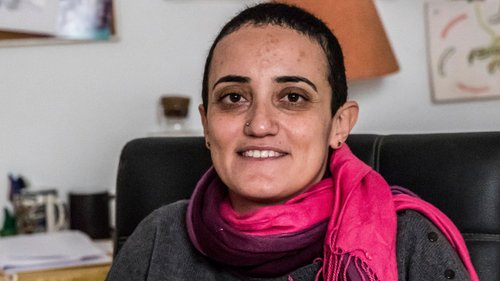
Egyptian TV presenter Sarah Khalifa and eleven other defendants were sentenced to death by hanging after a court found them guilty of drug trafficking and related crimes.
The defendants were accused of importing raw materials to manufacture illegal drugs and of possessing firearms and munitions, according to a state‑owned newspaper report describing the case as part of a broader crackdown on narcotics.
While nine of the co‑defendants received life sentences, seven were acquitted. Khalifa, 39, has denied the allegations and her lawyer announced an appeal of the death sentence.
The verdict was first announced last month and only confirmed after the court sought a religious opinion from Egypt’s grand mufti, a formal requirement in death‑penalty cases.
Investigators seized more than 750 kg of drugs and the precursor materials used to produce them. Twenty witnesses gave statements, and prosecutors also relied on electronic evidence such as chats and video clips.
An Amnesty International report from 2025 noted 492 death sentences that year, 23 of which were carried out, and highlighted that convictions for drug trafficking and rape should not have triggered the death penalty under international law.