In brief
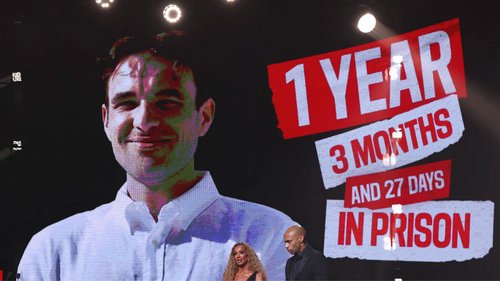
Don Lemon recounted his arrest at a Los Angeles hotel, stating that federal agents arrived despite his attorney’s assurance that he would turn himself in. Lemon faces allegations stemming from an anti-immigration protest at a Minnesota church. After his release, he expressed intentions to plead not guilty and emphasized his role as a journalist during the incident.
Don Lemon shared his experience of being arrested in a dramatic incident at a hotel in Los Angeles last week. He reported that approximately a dozen federal agents approached him for his arrest, despite assurances from his attorney that he was prepared to voluntarily surrender regarding federal civil rights charges relating to his coverage of a controversial protest at a Minnesota church.
In an appearance on Jimmy Kimmel Live!, Lemon criticized the federal response as unnecessary, arguing that the police action wasted resources when he was already willing to comply with the authorities. I was walking up to the room when suddenly I felt myself being grabbed and handcuffed, he described. Lemon recounted the moment he questioned the identity of the agents, which led to the confusing situation where they first lacked a warrant, later presenting it via a cellphone by an FBI agent outside.
After his release, Lemon declared his intention to plead not guilty to the charges, asserting he wouldn't allow himself to be silenced. I came to chronicle and document what was happening, he stated, asserting his identity and intention as a journalist rather than a participant in the protest that had disrupted the church service.
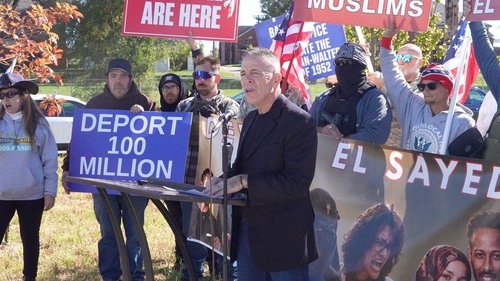
This incident follows the indictment of Lemon and other journalists stemming from a January protest at Cities Church in St. Paul, where a U.S. Immigration and Customs Enforcement (ICE) official serves as pastor. Lemon aims to clear his name, noting he is not affiliated with the groups protesting. Additionally, he shared that he struggled in custody to contact his husband and attorney, resulting in distressing circumstances where an agent had to inform his partner of his situation.
As tensions surrounding media freedoms continue, Kimmel also drew attention for his own challenges related to censorship, linking their experiences. Lemon's case raises critical questions about journalistic rights and governmental overreach in how protests and demonstrations are policed.