In brief
The ongoing civil war in Sudan has resulted in a devastating humanitarian crisis, prompting a surge of refugees into neighboring Chad as they escape deadly airstrikes and ground assaults. Many are vulnerable and in desperate need of medical assistance after being caught in the line of fire in their hometowns.
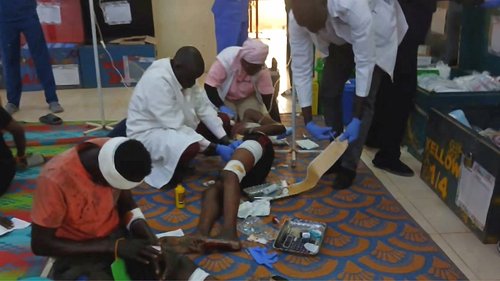
In the village of Tiné, ten-year-old Isah Abdallah Fadul, who was injured in an airstrike at a busy market, is one of many who have sought refuge and help at a Doctors Without Borders clinic. The clinic has been inundated with new patients as the conflict, which erupted in April 2023, intensifies, particularly after the Sudanese military reclaimed control over Khartoum.According to reports, the Sudanese military has conducted numerous airstrikes targeting positions held by the paramilitary Rapid Support Forces (R.S.F.), leading to civilian casualties and further displacing populations. Isah's experience exemplifies the harrowing reality for many; she was injured by a stray bomb amidst market chaos, and while her father attempted to care for her injuries initially, professional medical treatment has been hard to come by until now.Amidst the backdrop of violence, humanitarian organizations are scaling up their efforts. Doctors Without Borders has responded to the increasing number of refugees by enhancing mobile medical clinics in remote areas along the Chad-Sudan border. An alarming trend has emerged where civilian areas often suffer bombardment shortly after R.S.F. forces invade local villages, creating a cycle of attack that sees the most vulnerable suffer. Recent reports indicate a sharp increase in airstrikes by the Sudanese military, with local sources claiming that at least 54 individuals were killed in a single attack in March, which the military denies as war crimes. Meanwhile, the R.S.F. also faces global condemnation for its role in ethnic violence and mass atrocities, raising concerns about escalating conflicts leading to genocide.As the crisis unfolds, the humanitarian situation continues to deteriorate, with over 12 million displaced persons reported by the United Nations, a number that is expected to climb in the wake of ongoing military actions. Back in Tiné, Isah's leg infection highlights the urgent need for further medical care, underscoring the plight of many suffering from war-related injuries in a fractured Sudan.The world watches as the cycle of violence fuels an ever-growing humanitarian disaster, with the hope that international intervention can stem the tide of suffering for vulnerable populations.