
In brief
In Bedar, Almería, a severe wildfire erupted on Thursday, burning a small village and killing 12 people, including four Britons, with another 23 still unaccounted for. Hundreds of firefighters from across the region have been deployed, but the rapid spread—driven by 40C temperatures and strong winds—has challenged containment efforts. Officials blame a fallen power line as the likely trigger, though the electricity company denies responsibility. The disaster has raised concerns over evacuation protocols and highlighted Europe's escalating heatwaves fueled by climate change.
Emergency services in the village of Bedar, within the Los Gallardos area of Almería, are scrambling to control a deadly wildfire that has already taken 12 lives—four of them Britons—and left 23 people missing.
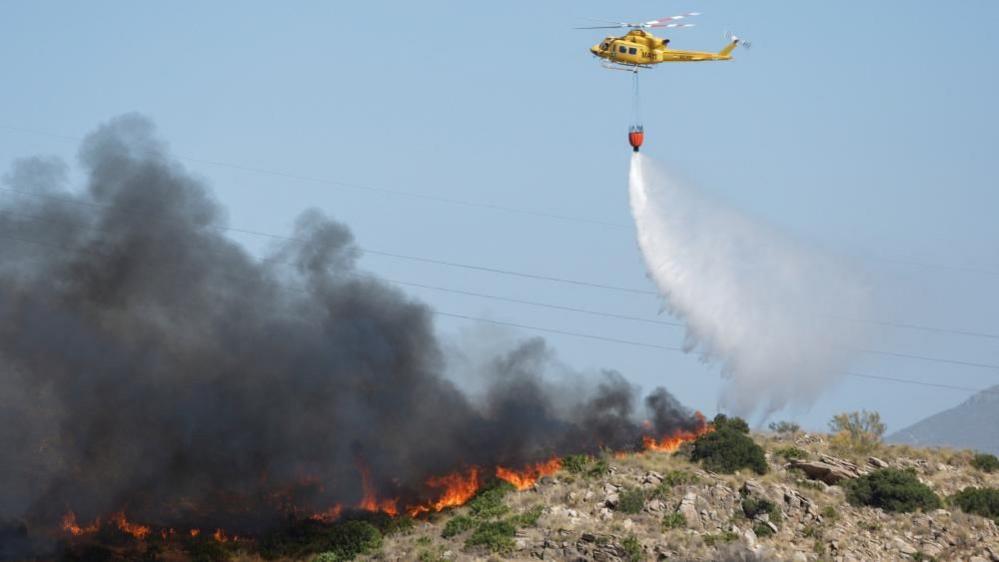
Hundreds of firefighters and specialists, including air support, have been dispatched, but the blaze has spread so quickly that fully extinguishing it will take time. Local officials warn the death toll could rise, especially with many foreign nationals in the area.
Scientists point to a sustained heatwave with temperatures hovering around 40°C (104°F) as the primary driver of the fire. The intense heat, combined with extremely dry vegetation and powerful winds, turned a small flash fire into a roaring inferno.
Investigators trace the fire’s origin to a fallen power line, though the regional electricity company has denied responsibility. No details are available about the four victims who were found dead in a burnt car.
Antonio Sanz, Andalusia’s health and emergencies minister, said the victims were believed to be of British origin, noting the car’s right‑hand steering wheel.
Local residents, such as Lucinda Curtois, describe the escape from Bedar as “like a mushroom cloud of smoke—like a bomb had gone off.” She suspected at least two other UK nationals might have been killed.
Officials told the Spanish population that some people who died had not taken a recommended evacuation route. It is still unclear how effectively that guidance was communicated.
The Andalusian Meteorological Agency (AEMET) reports that conditions will improve with moderate winds and cooler temperatures expected on Saturday, but for now the fire remains a threat to the region.
With 12 confirmed dead, the disaster ranks as one of Spain’s deadliest wildfires in recent memory. Historically, 20 people died in a 1984 fire on La Gomera, and 21 in 1979 near Lloret de Mar killed including nine children.
Experts say Europe’s rapid warming—twice the global average—drives tougher heatwaves, du‑ps water stress and increasingly deadly wildfires. The Bedar tragedy highlights how climate change directly translates into human loss and structural devastation.

