Crafting Perfect Olympic Ice: The Science and Art Behind the Rinks
Olympic ice describes the uniform ice surface specified for international competitions, including the Winter Olympics. Skilled technicians known as 'ice masters' are responsible for making and maintaining this essential surface, ensuring optimal conditions for athletes competing in sports such as curling, ice skating, and ice hockey.
The ice hockey arena in Milan-Cortina was constructed from scratch for the men's and women's matches, following various delays and last-minute works. But how do they create the ice for the rink?
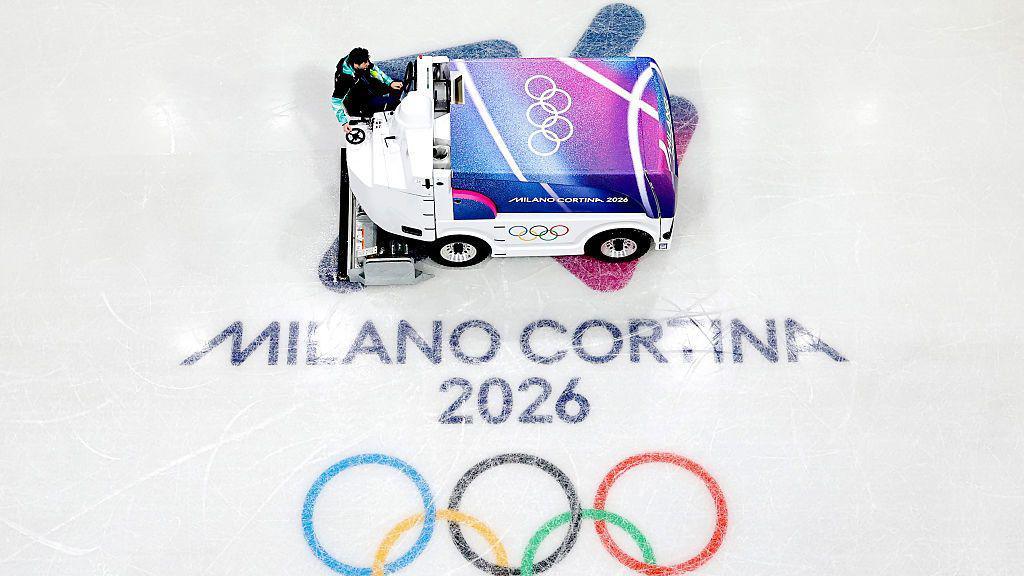
It all starts with laying five centimeters of insulation on the concrete floor, followed by a vapour barrier, and then mats containing glycol to keep the ice cold. Bordered by boards and glass walls, the rink receives around two inches of water to form the initial ice sheets. Once sealed and marked, the rink is topped with three to four centimeters of water, maintaining temperatures between -5 and -4 degrees Celsius. Resurfacing machines, colloquially known as Zambonis, regularly shave the ice to create a new, smooth layer.
According to Mark Messer, the ice master overseeing long track speed skating, the most challenging aspect is adapting to a new system for such a high-profile event with limited preparation time. Notably, Milan-Cortina is the first Winter Olympics to feature a temporary venue for long track speed skating.
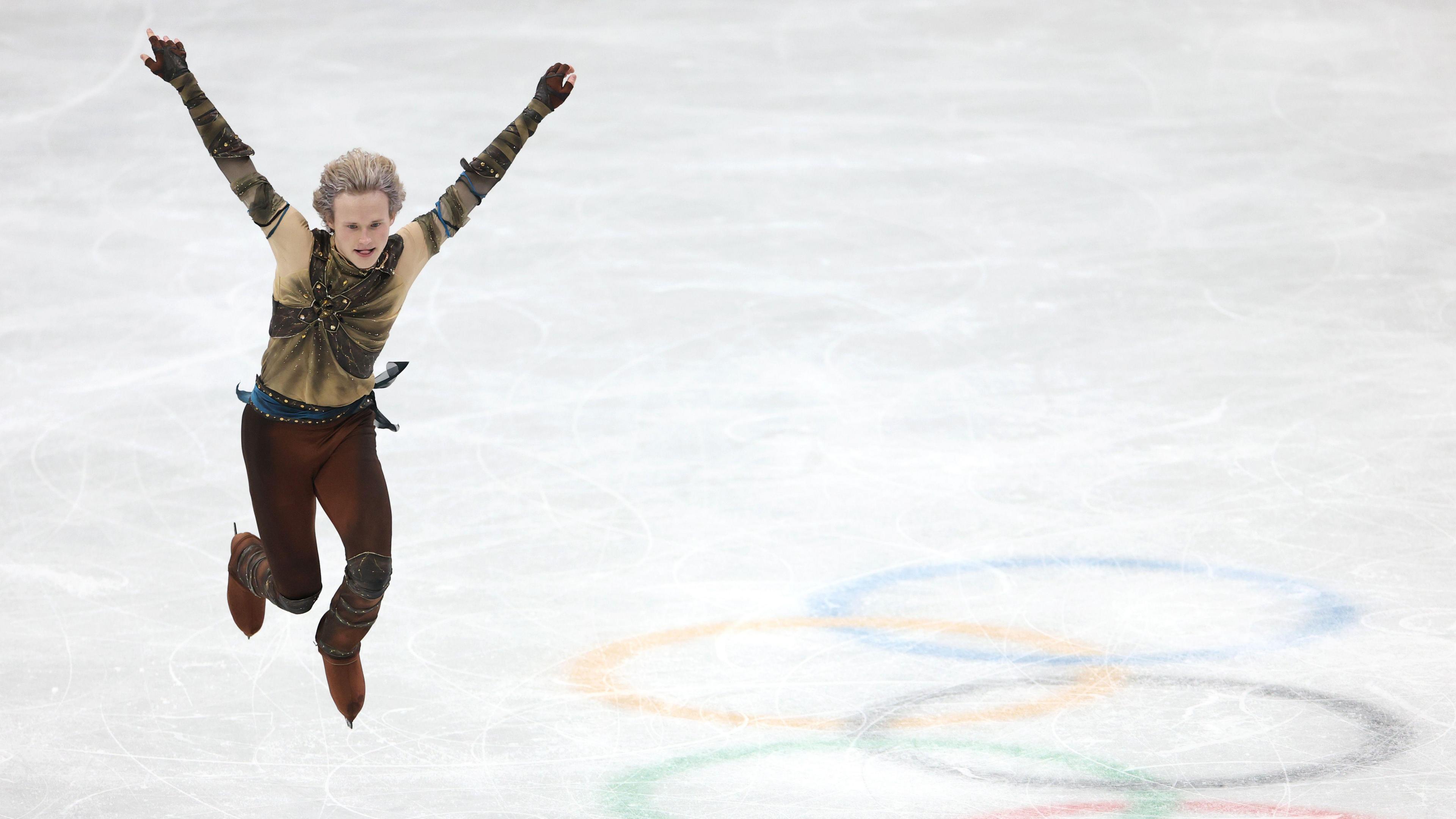
Different sports require specific ice formats to support athletes effectively. For instance, curling needs a pebbled texture achieved by spraying water to create freezing droplets. Conversely, ice hockey demands a hard surface for quick stops. Speed skating requires a thinner, colder ice while figure skating necessitates a warmer, softer surface to cushion jumps. The technicians face the challenge of adjusting the surface within a few hours as events transit from one sport to another.
The purity of the water used for the ice is critical, necessitating ice masters to measure pH levels and remove impurities that can cloud the ice. Furthermore, external factors such as temperature fluctuations, lighting, and venue occupancy can affect the ice quality.
As technological advancements continue, the preparation of Olympic ice exemplifies the intersection of science and sport, aiming to deliver the best conditions for the world's top athletes during their moment of glory.