In brief
Legislation in South Carolina proposes extreme measures against abortions, such as banning the procedure entirely in many cases and enforcing severe penalties for women and healthcare providers. The bill has ignited division among opponents of abortion, with some arguing that women should not be punished. The legislative path remains uncertain, as both advocates and critics raise concerns about the implications for healthcare and women's rights.
Columbia, S.C. (AP) — South Carolina is considering some of the strictest abortion laws in the United States, which could lead to lengthy prison sentences for women who seek abortions, as well as restrict reproductive health options like IUDs and in-vitro fertilization. The proposals divide abortion opponents, raising concerns about the implications of such measures on women's healthcare.
The controversial bill, currently under review, aims to ban all abortions unless the mother's life is at risk, eliminating exceptions for rape or incest. Furthermore, it proposes up to 30 years in prison for women who undergo abortions and individuals who assist them, drawing criticism from medical professionals who label it a legal minefield.
Key Provisions of the Bill
The proposed legislation would notably eliminate existing exceptions for rape and incest, tightening the state’s current six-week ban on abortions. This could push women seeking care into unsafe situations, according to advocates.
The ramifications of this bill go against fundamental healthcare rights, stated Dr. Natalie Gregory. She emphasized that such laws could criminalize essential medical discussions, including those about contraceptives and pregnancy loss.
Divisions Among Opponents
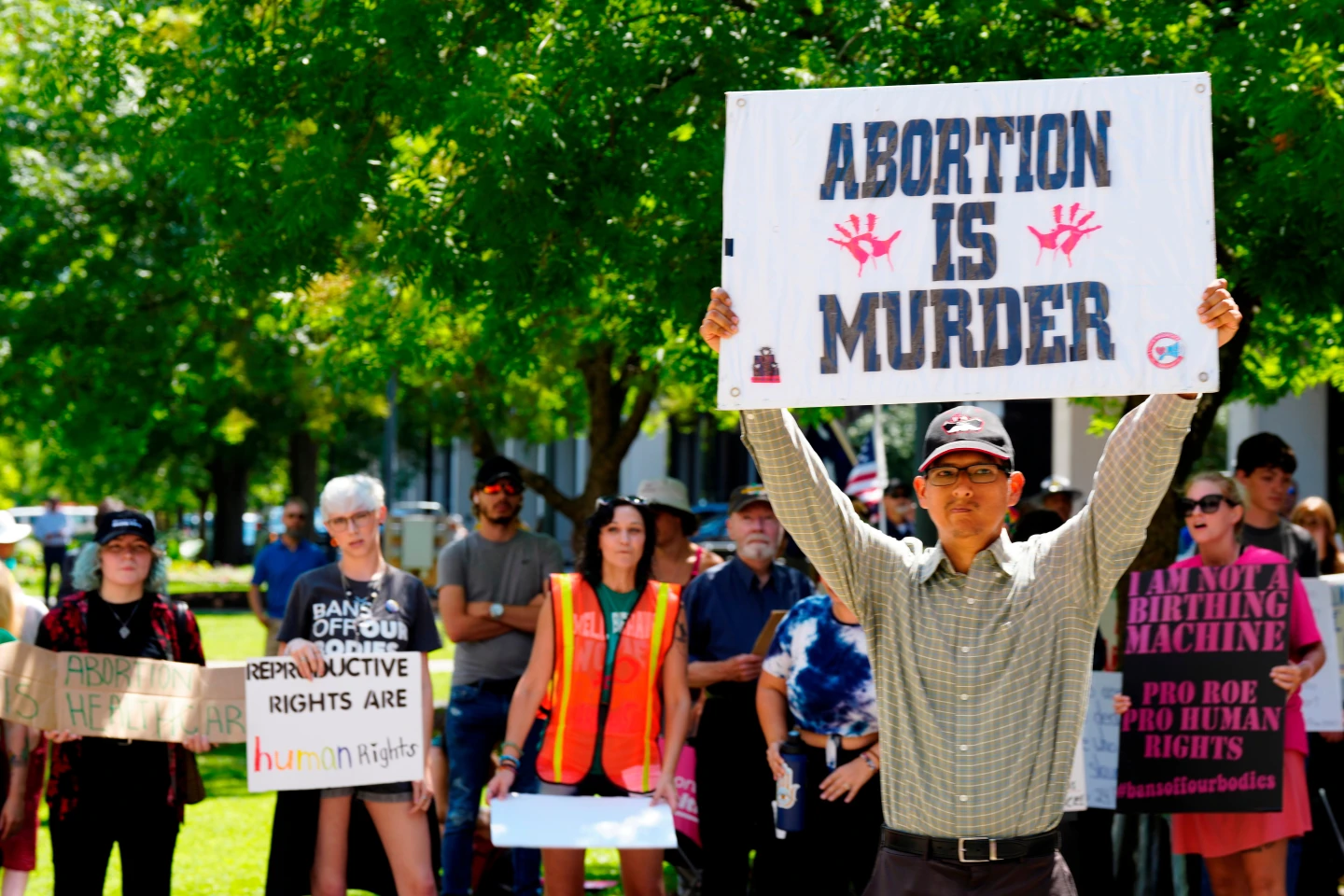
One significant outcome of the current debate is the split among anti-abortion groups. While some believe that women seeking abortions are victims in need of support, others argue for harsher consequences, labeling abortion as murder. This fracture speaks to the broader political and social climate that appears increasingly hostile towards reproductive rights.
Legislative Prospects
As the bill moves forward, its fate remains uncertain in South Carolina's legislature. More progressive elements within the GOP are pushing back against the draconian measures, citing previous successes in defeating similar proposals. Nonetheless, some Republican senators have openly criticized current laws, indicating a potential shift in attitudes as the state navigates complex social issues.