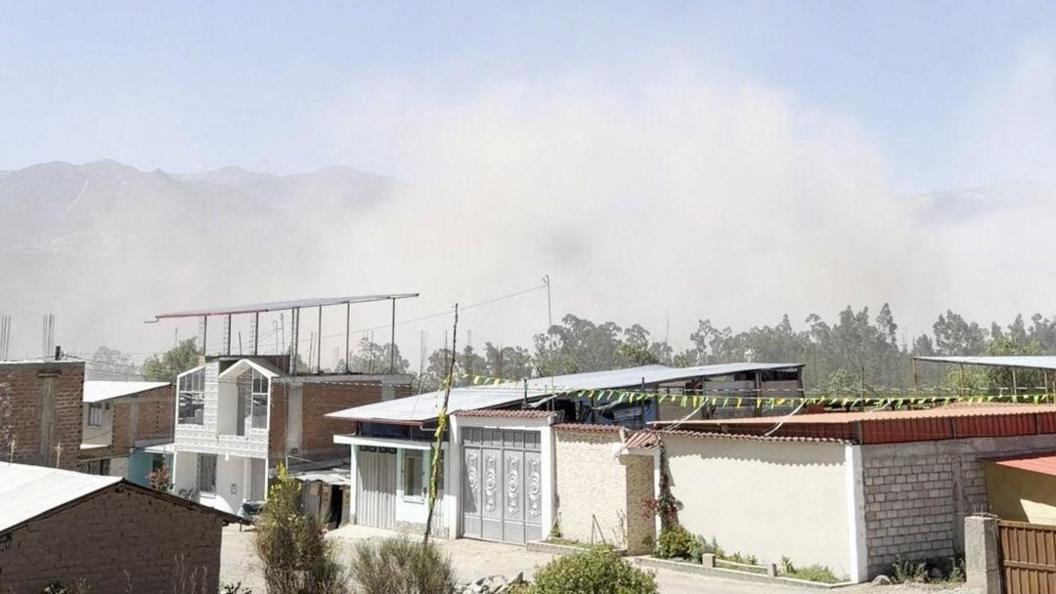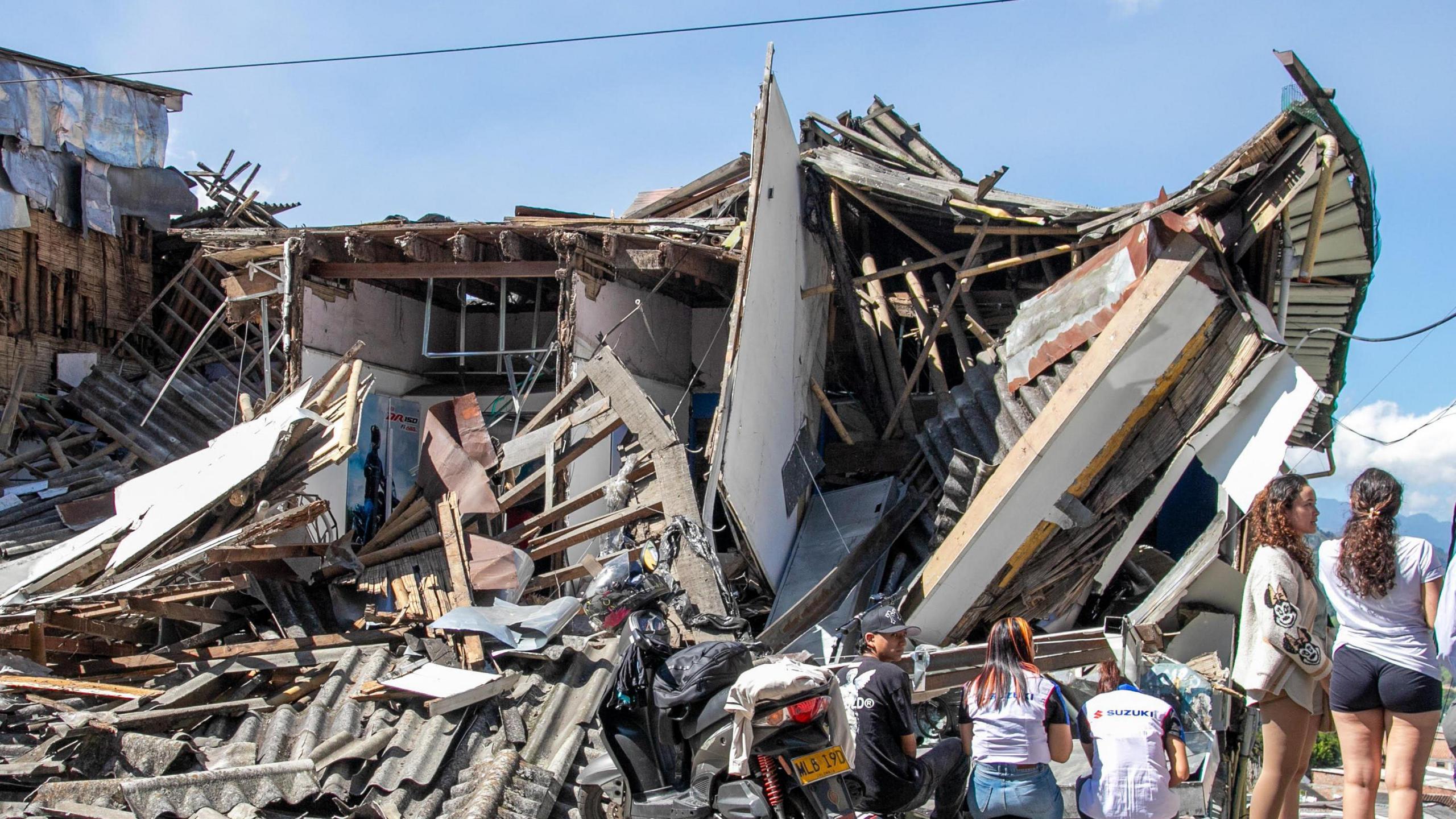
A 7.4‑magnitude earthquake struck Colombia at 07:34 (12:34 GMT) on 10 August 2026, reaching a depth of 103 km (64 miles) in Chocó province. The epicentre lay near San José del Palmar, but the shock was felt across hundreds of miles of western Colombia, particularly in the coffee‑producing city of Pereira and the industrial hub of Cali.
Official counts report at least 132 fatalities, with the death toll likely to rise as rescue teams sift through collapsed buildings. More than 480 injuries have been documented, and 65 structures in Pereira alone collapsed, trapping dozens of residents.
The government declared a state of emergency, and President Abelardo de la Espriella ordered a national disaster declaration, unlocking emergency budgets and emergency powers. A 5:00 curfew remains in effect in affected areas.
Key urban centres were hit hard: Pereira suffered the worst damage with 65 building collapses; Cali recorded 32 collapsed structures; Manizales, despite its strict seismic‑resistant building codes, saw mild structural damage and two deaths.
International support has come quickly. The United States, United Nations, the European Union (via Copernicus satellites), and neighboring South American leaders have offered rescue equipment and personnel.
The US Geological Survey noted that an estimated 1.5 million people felt shaking comparable to a magnitude‑7 quake. While deep earthquakes are generally less destructive, they can release energy that damages foundations and trigger strong aftershocks.
Severe damage extended to regional airports and infrastructure in Bogotá dozens of kilometres away, where trees and traffic lights shook violently.