Captured Ukrainian‑Born Soldiers Tell BBC Why They Fought for Russia
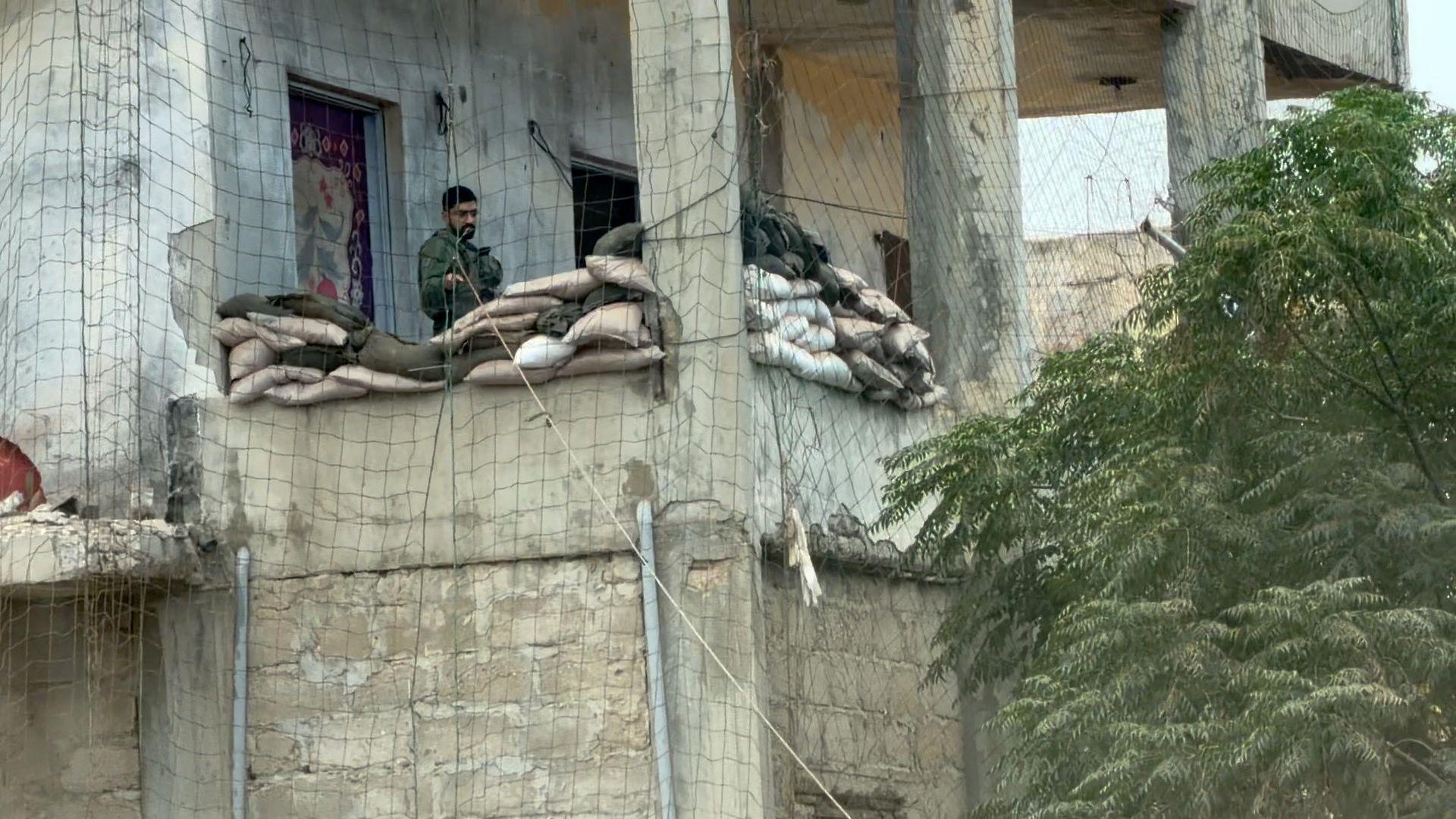
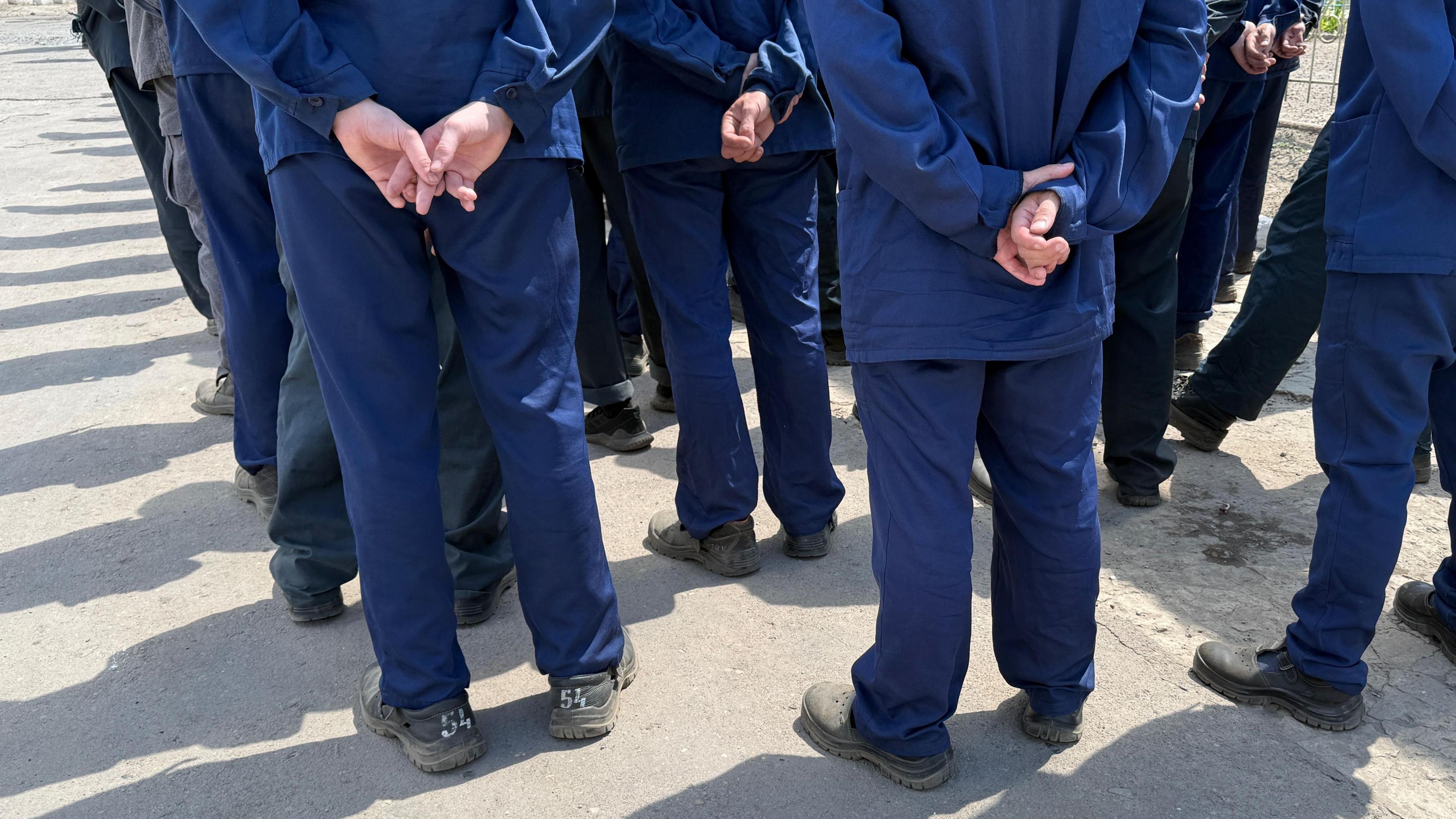
In a prison camp in Western Ukraine, men who once fought for Russia have been captured and now speak to the BBC. Many of them were born in towns such as Donetsk and Luhansk that have been under Russian occupation since 2014, and most joined the Russian army voluntarily, often after being drafted by local authorities.
Interviews were conducted in Russian, away from guards and cameras, allowing interviewers to ask open questions about motivations, experiences on the front line, and feelings about their actions. Some men report extreme financial incentives: a 400,000‑rouble fee (about $5,000) for conscription, though many complained that the money never reached them.
One prisoner, Anton, was 10 when the Donbas region was taken over by Moscow‑loyal forces, and in 2022 he signed up at 18 without regret, citing a desire to defend his land. He said his friends volunteered too, and that the resulting casualties have been “dead, dead, dead.”
The camp, surrounded by barbed wire and razor‑blade fences, includes workshops where prisoners make coffins and Christmas decorations to earn extra food and cigarettes. Many of the men work for minimal wages, and the work is often described as “half‑hearted” re‑education.
Some interviewees admit that their Ukrainian heritage does not pull them away from fighting for Russia. They reference the propaganda that portrays the Ukrainian government as “Nazis” and claim they have no “real identity” apart from their nationality.
One man from Donetsk, who had been forced into service during the invasion, said his only goal is to return home after war and to avoid being forced to serve again. He criticized the practice of swapping prisoners for Russian prisoners, claiming he will likely be the last to leave.
The BBC interview team notes that while the Ukrainian army wants to release its soldiers, the Russia‑supplied POWs from the Donbas are a lower priority for swaps. This contrasts starkly with how Ukraine treats its own soldiers’ families.
The interviews also reveal the psychological toll on the prisoners: in the camp’s medical ward, Artyom lies in a shrapnel‑filled bed after only two months of combat. He and others resent that their commanders paid them far less than their Russian counterparts.
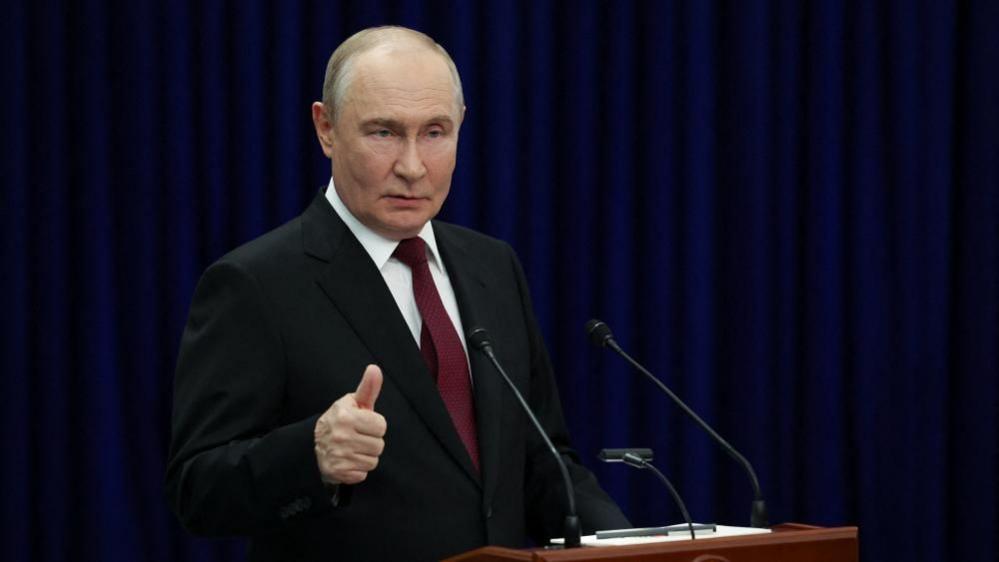
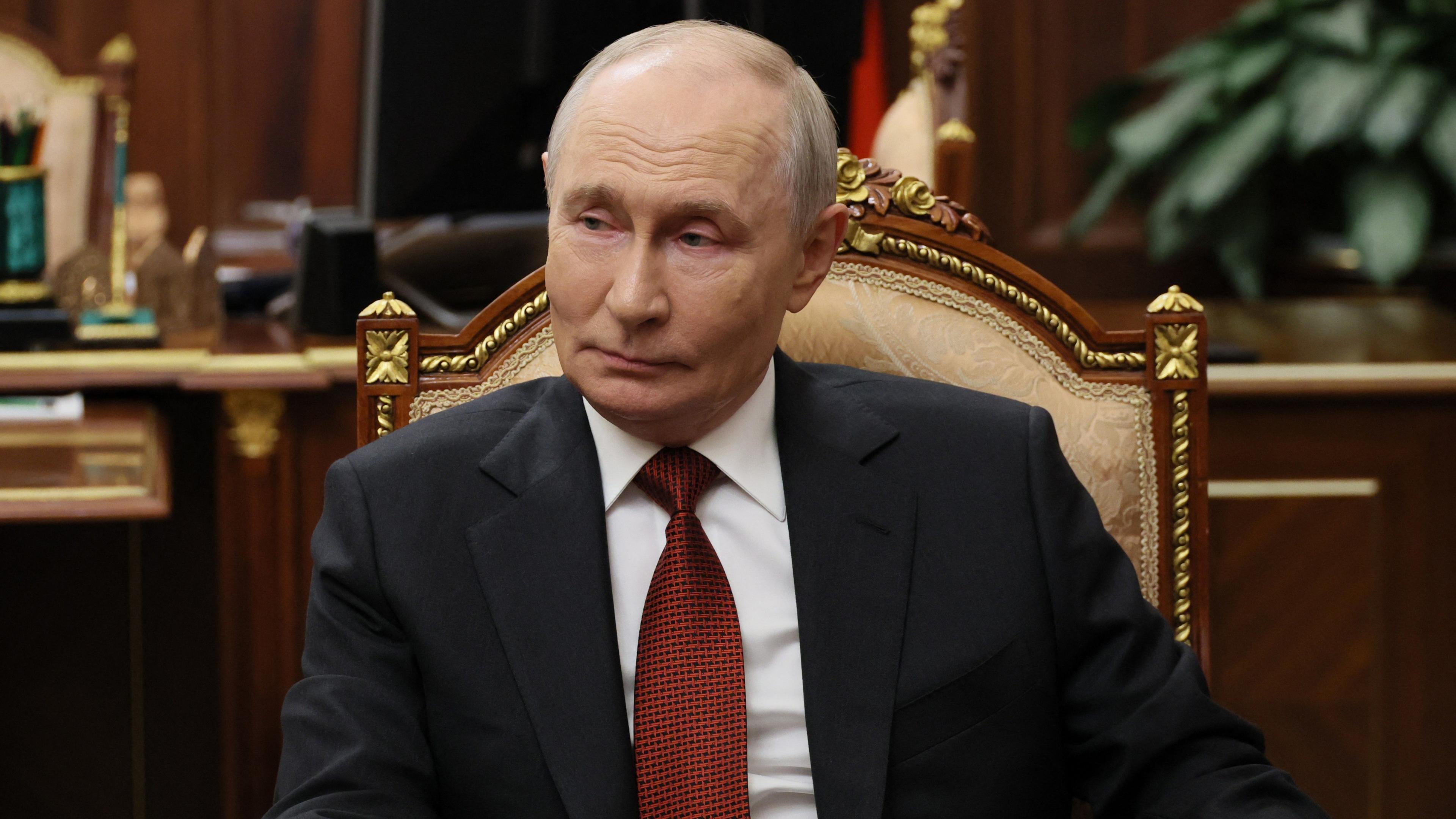
Behind the images of coffins and Christmas trees, the war continues. Both the men and the reporter note that the conflict is unlikely to end soon, with Putin expected to insist on complete control over the Donbas.