In brief
Following the recent ceasefire, Gazans like Hatem Al-Atar and Prof. Jumaa Abu Shiha reflect on their losses and the daunting challenge of rebuilding amidst destruction. While aid flows into the region, the psychological scars of war linger, prompting hopes and dreams for a better future.
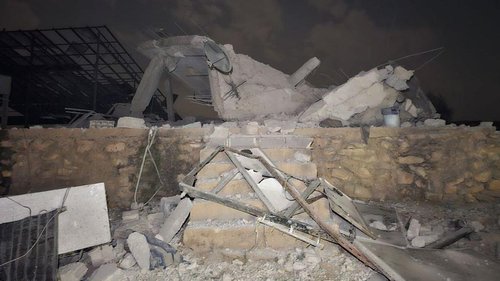
As the ceasefire settles across Gaza, its people are faced with a stark reality: the ruins of their former lives. Hatem Al-Atar, a 25-year-old member of the civil defense force, embodies the bravery and grief that many experience. He recounts the harrowing moments on the front lines, risking his life to save neighbors and friends as explosions rattle the very ground beneath him. Since the war intensified on October 7, Hatem confronted the relentless threat of death, losing many comrades in the process. Despite witnessing tremendous tragedy, he holds on to dreams of resuming his education and starting a family once normalcy returns.While Hatem's journey encapsulates the struggle for survival, the emotional toll of the war is evident in countless lives. For Prof. Jumaa Abu Shiha, the rediscovery of his home in Nuseirat is an overwhelming mix of disbelief and despair. He had painstakingly built his house, only to find it now reduced to rubble. As he solemnly surveys the wreckage, memories of family comfort are replaced by the harsh reality of desolation. The challenges of rebuilding extend beyond physical structures; they delve into the psychological impact on a community enduring prolonged trauma.International aid is trickling back into Gaza, crucial for the sustenance of nearly two million survivors. The United Nations and various aid agencies underline the need for both material support and mental health resources to navigate the aftermath of violence. Evocative stories from the frontline reveal haunting cries for help from traumatized children, highlighting the need for psychological healing.Ten-year-old Amr al Hindi stands as a poignant symbol of the conflict's toll. Having lost his entire family to an Israeli airstrike, Amr now lives with his grandparents, cherishing the fragments of his former life while holding onto the dreams of his deceased brother. His aspirations to become a doctor reflect a yearning for stability and a brighter future, even as memories of loss cloud his young heart.As the people of Gaza endeavor to reclaim their lives, the scars of war remain indelible. The tasks ahead are monumental, yet amidst the rubble, flickers of hope persist—hope for recovery, for love, and for dreams yet to be fulfilled. The resilience of Gazans will fuel the narrative of rebirth, as they bravely face the challenge of rebuilding both their homes and their futures.