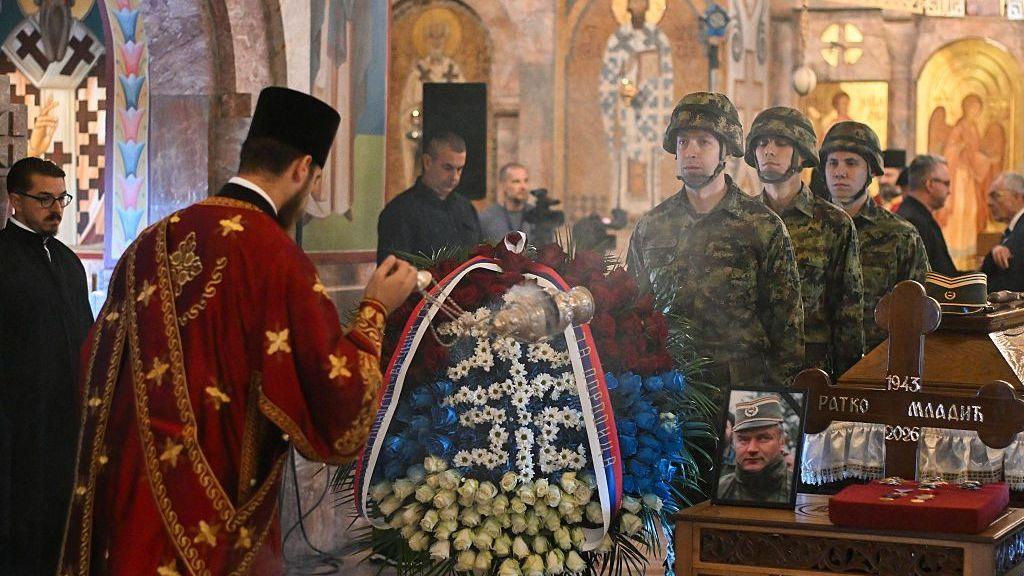
Thousands assembled in Belgrade on 7 September to attend the funeral of Ratko Mladić, the Bosnian Serb general convicted of genocide and crimes against humanity. The event, held at St. Luke’s Church, attracted civilians and veterans alike, many of whom draped themselves in flags bearing his photo or wore capes emblazoned with Serbian symbols.
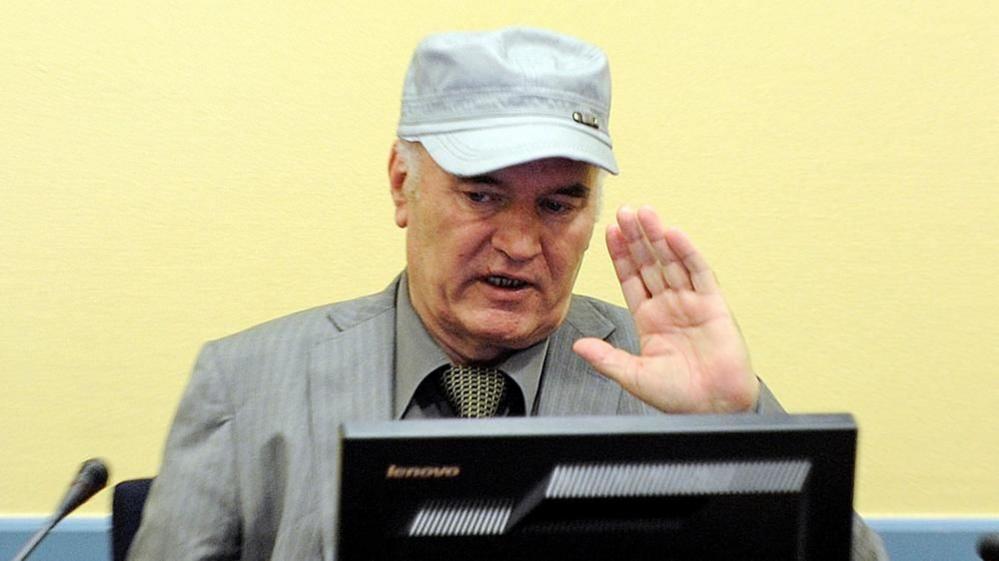
Mladić was sentenced to life imprisonment by the United Nations war crimes tribunal in The Hague in 2021 after a nine‑year trial that detailed his orchestration of the 1995 Srebrenica massacre, which claimed almost 8,000 Bosniak lives. Despite his conviction, many Serbs view him as a “hero” who protected the nation during the Bosnian war.
Government ministers, including Defence Minister Bratislav Gašić and Justice Minister Nenad Vujić, joined crowds outside the church, taking part in the service led by Serbian Orthodox Patriarch Porfirije. The Patriarch pledged that Mladić’s name would remain “deeply etched in the memory and prayers of the majority of our Serbian Orthodox people, who feel and nurture a deep sense of gratitude toward him.”
The funeral was preceded by a public memorial where mourners lit candles, heard a choir on a loudspeaker, and the coffin was guarded by men, primarily former soldiers. A government jet had flown Mladić’s body back to Serbia a week earlier, carrying it on a troop‑stays‑off plane that was later draped in flags before being transported to the church.
In the wake of the funeral, European Union officials condemned the ceremony as a “glorification of war criminals” and “a sign of genocide denial and revisionism.” The EU’s statement underscored that such actions contradict fundamental European values and have no place in EU or EU‑candidate states, including Serbia, which has held membership talks since 2012.
For many, the ceremony reopened painful memories. A woman from Sarajevo, whose nine‑year‑old son died during the siege, described the funeral as “really horrible” and urged that Mladić be remembered only as a butcher. Nonetheless, the attendance of thousands illustrates a persistent sentiment of national pride and defiance among certain segments of Serbian society.
Controversy continued after the funeral when Serbian football club Red Star Belgrade’s supporters unveiled a tifo featuring Mladić’s likeness during a derby match against Partizan. The display further fueled debate over his legacy.
The funeral procession brings into focus the challenges that post‑conflict societies face in confronting past atrocities while navigating national identity. Advocates for accountability argue that the war crimes tribunal’s record provides an essential historical account, yet Serbian media and education have largely avoided confronting the full extent of Mladić’s crimes, complicating national reckoning efforts.