Incident Overview
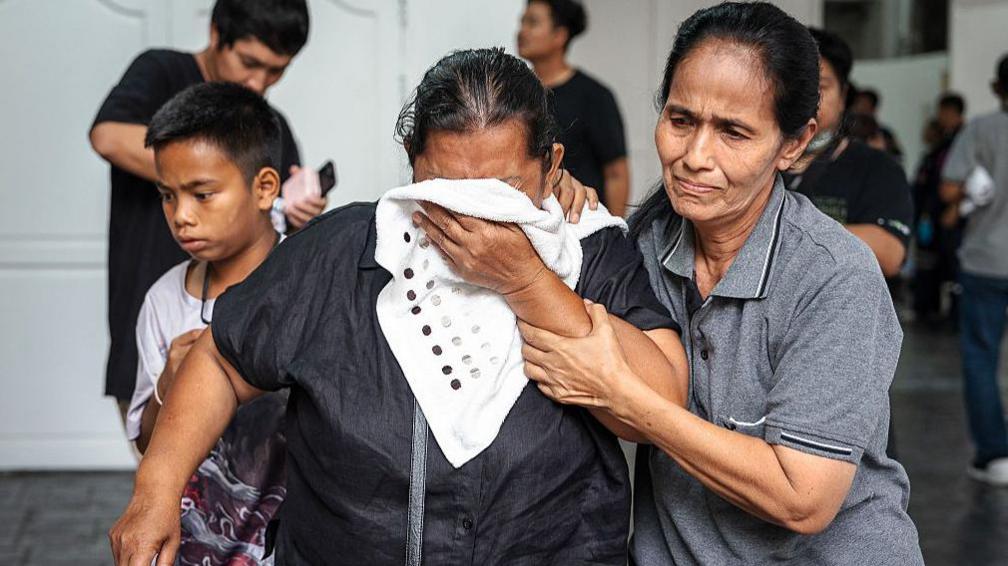
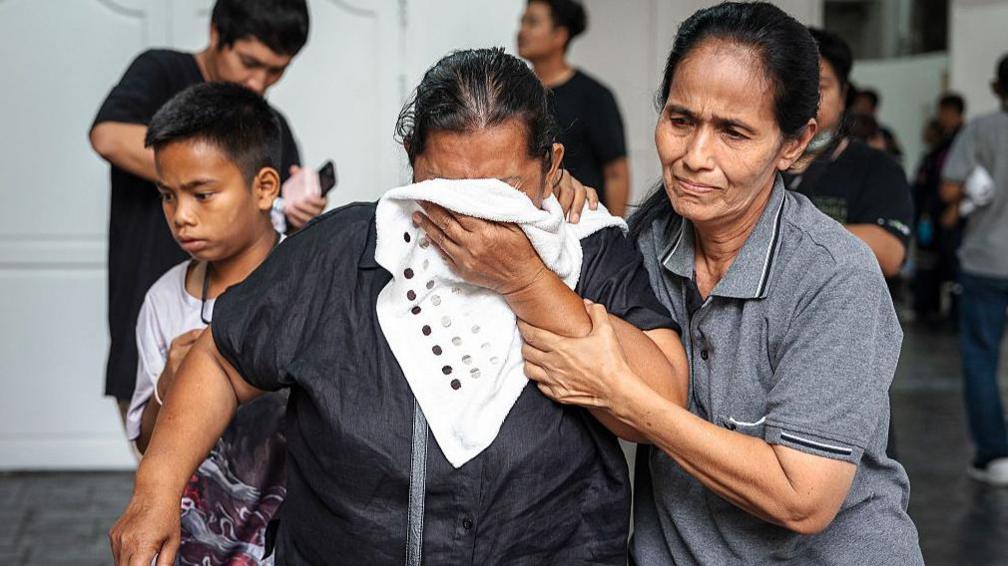
A sudden blaze erupted in the Rong Beer Na Ladprao pub on Bangkok’s Chatuchak district on Sunday night, killing 32 people and leaving dozens injured. The fire spread rapidly across the crowded floor, propelled by flammable sound‑insulation in the ceiling and an electrical fault that sparked the flames. Thick smoke filled the space, choking revelers and forcing them toward a single narrow exit. Blocked rear doors left many trapped behind the body pile of the deceased.
Investigation Findings
- Electrical fault is suspected as the initial trigger.
- Flammable insulation used for sound‑proofing amplified the spread.
- The forced entry into the street created jets of flame, making the front exit more dangerous.
- Secondary blockades at the rear sealed escape routes for those inside.
Historical Context
The Bangkok tragedy is the latest in a series of deadly nightclub fires: the Santika club in 2009 (67 deaths), the Mountain B club in 2022 (26 deaths) and the current incident. All share the same pattern—rapid fire spread in a crowded venue, limited exits, and deaths primarily from toxic smoke inhalation rather than direct flames.
Regulatory Gap
Fire safety statutes are only enforceable for venues in designated entertainment zones—only three exist in Bangkok. Most pubs and venues with live music are classified as restaurants and thus fall outside those stricter regulations, even when they accommodate large crowds. The Rong Beer Na Ladprao pub was inspected only three months prior and deemed safe.
Government Response
Bangkok Governor Chadchart Sittipunt has acknowledged the loophole, ordering random, unannounced inspections of all “restaurant‑clubs.” He said the city will apply stricter standards, shut down non‑compliant venues and, if necessary, enforce closures. The authority’s capacity to carry out thousands of checks and deal with political pressure remains unclear.
Systemic Safety Issues
Thailand’s safety record reflects a broader pattern of neglect: road deaths are ten times higher per capita than in Britain, and numerous incidents in 2024‑2026—bus, crane, school bus and truck accidents—were linked to foul play or illegal installations. Each event has prompted promises of action but no lasting prevention.
Conclusion
The July blaze points to a regulatory environment that allows dangerous nightlife operations to thrive unchecked. True change will require a national re‑assessment of fire‑safety standards, enforcement mechanisms and transparency. Without structural reform, tragedies like the Rong Beer Na Ladprao fire will continue to claim lives.