In brief
The South African government has launched a controversial operation to cut off supplies to illegal miners, known as "zama zama," in an effort to arrest them. While this tactic has led to 1,000 arrests, concerns are rising about the humanitarian implications of leaving miners without food or water. Community leaders are calling for more humane solutions.
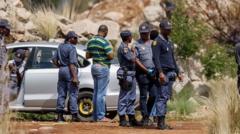
In a decisive move against illegal mining, the South African government has implemented an operation nicknamed "Vala Umgodi" or "Close the Hole," aiming to eradicate the presence of thousands of illegal gold miners hiding underground in Stilfontein, North West province. With around 4,000 miners reportedly sheltering in abandoned mines, authorities have opted to cut off food and water supplies as a method to compel these miners to emerge and face arrest.Illegal miners, colloquially known as "zama zama," which translates to "take a chance" in Zulu, often come from neighboring countries such as Lesotho and Mozambique. Many are undocumented and fear deportation, leading to their reluctance to cooperate with authorities. The practice of illegal mining has emerged as a desperate means of survival, particularly as many legal mines have closed down, causing job losses and pushing individuals towards the black market to secure an income.The government’s approach has received mixed reactions from the public. Minister in the Presidency Khumbudzo Ntshavheni emphasized that no assistance would be given to "criminals," reinforcing the official stance against illegal activities. However, community leaders have raised alarms about the humanitarian crisis this strategy may engender. Busi Thabane from the Benchmarks Foundation remarked that the current situation transcends the illegal mining issue and has become a crisis of humanity, stating, "It is no longer about illegal miners."Local residents have been trying to reach the miners by sending down supplies through ropes, though these efforts have been heavily monitored by police. Conditions underground are reportedly dire, with some miners spending months in subpar environments. There are accounts of decomposing bodies being recovered from the mineshaft, leaving volunteers traumatized by the experience.The police's operation has already seen about 1,000 miners emerge, with many appearing frail and weak. Medical teams have been on-site to assist those who require medical attention before they are taken into custody. The police and military remain vigilant, awaiting any remaining miners in hiding.Concerns about human rights are mounting, with the South African Human Rights Commission announcing an investigation into the government's tactics, questioning the ethical nature of depriving individuals of essential supplies. Public sentiment is sharply divided, with some praising the government’s stringent measures as a necessary step towards addressing the illegal mining crisis. In contrast, others argue that the approach is inhumane and damaging, calling for the need to respect the rights of all individuals involved, regardless of their legal status.Illegal mining continues to pose significant challenges to South Africa’s economy and environment, with the authorities recently confiscating firearms and uncut diamonds in their efforts to combat this underground industry. As the government grapples with the complexities of this issue, the unfolding situation raises pressing questions about the balance between law enforcement and human rights.