Australia’s Extinction Crisis: The Numbat’s Tale of Hope
For decades the world has celebrated Australia as a haven for unique plants and animals, yet the continent now ranks as the planet’s most alarming extinction hotspot, losing roughly four species every decade.
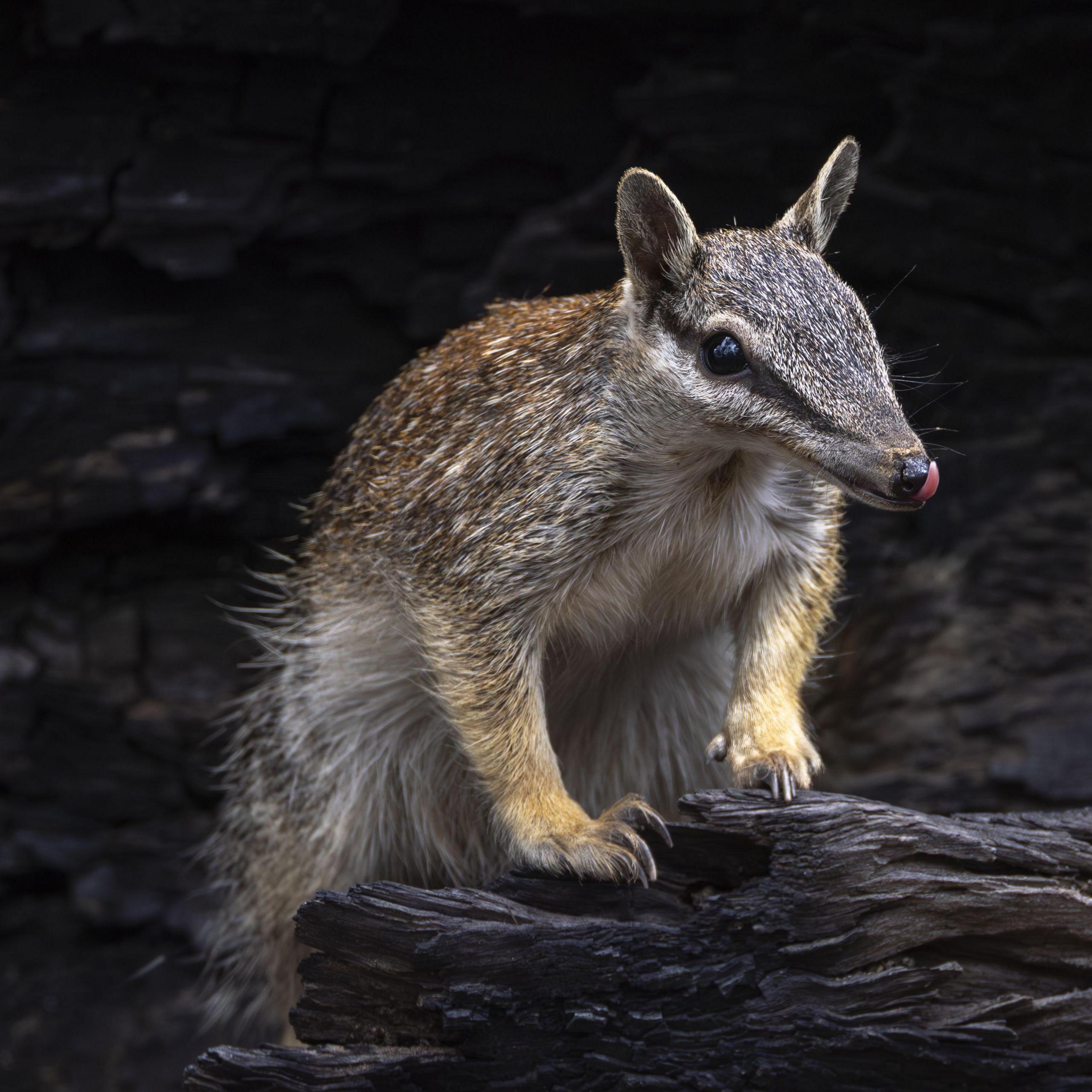
In the southwest corner of the country, a rare marsupial known as the numbat has slipped from the brink to a status of near‑threatened, after years of volunteer‑led field surveys, predator control and habitat protection. Researchers drive a pick‑up through dense bush tracks each spring, using GPS and sophisticated equations to estimate population density, and their meticulous work has now counted around 3,000 numbats nationwide.
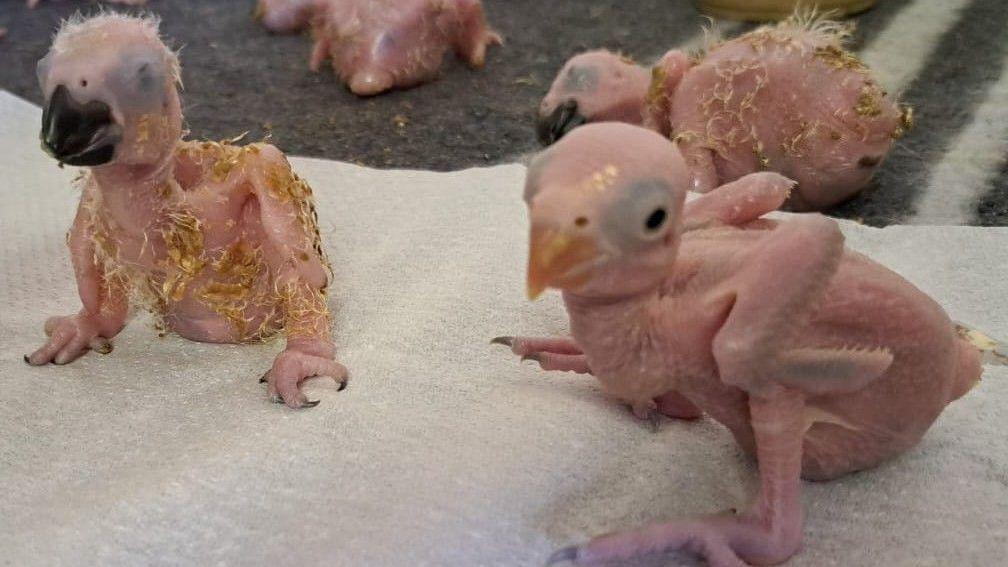
The numbat’s rebirth comes amid a host of other species battling for survival—Carnaby’s black cockatoo, the Gilbert’s potoroo, the Australian sea lion, and countless marsupials and birds that have slipped off the endangered list only to return in worse condition. Fevers of invasive species such as fire ants, cane toads, rabbits, foxes and feral cats, combined with habitat fragmentation from agriculture, mining and timber, have sparked a relentless wave of biodiversity loss.
Climate change pumps additional stress, with extreme temperatures leading to mass die‑offs of flying foxes and the severe Black Summer bushfires of 2019‑20 annihilated an estimated three billion animals. The rising frequency of floods and wildfires has put even the most resilient species into precarious positions.
Across the country, conservationists and scientists endure a system of under‑funding and policy inertia that limits their ability to match the scale of the threat. While the federal government spends roughly A$700m on nature protection—just 1% of the national budget—subsidies for mining, agriculture and other raw‑material industries exceed A$26bn, an imbalance that experts argue prevents meaningful progress.
Policy shifts under the current government promise no new extinctions and aim to halt the decline by 2030, yet many stakeholders caution that surviving only new legislation is insufficient without the political will to enforce robust environmental standards and redirect existing subsidies away from biodiversity‑damaging industries.
The numbat’s story offers a beacon of possibility. The orange‑eyed marsupial, once reduced to fewer than 50 individuals, now thrives thanks to dedicated fieldwork, predator control and breeding programs. However, experts warn that continuous vigilance and sustained investment are essential to ensure that this fragile species does not revert to crisis.
In a continent where wildlife threats weave a complex tapestry of legal, ecological, and cultural challenges, the resurgence of the numbat stands as a testament that, with enough effort, even the rarest species can mend. The journey from extinction to near‑threatened underscores the urgent need for regulated land‑use, balanced economic development and a renewed commitment to the planet’s most unique biological heritage.