RALEIGH, N.C. (AP) — An Army veteran has been charged with sharing classified information about an elite commando unit with a journalist, which one official said put the country, members of the U.S. military, and the nation’s allies at risk.
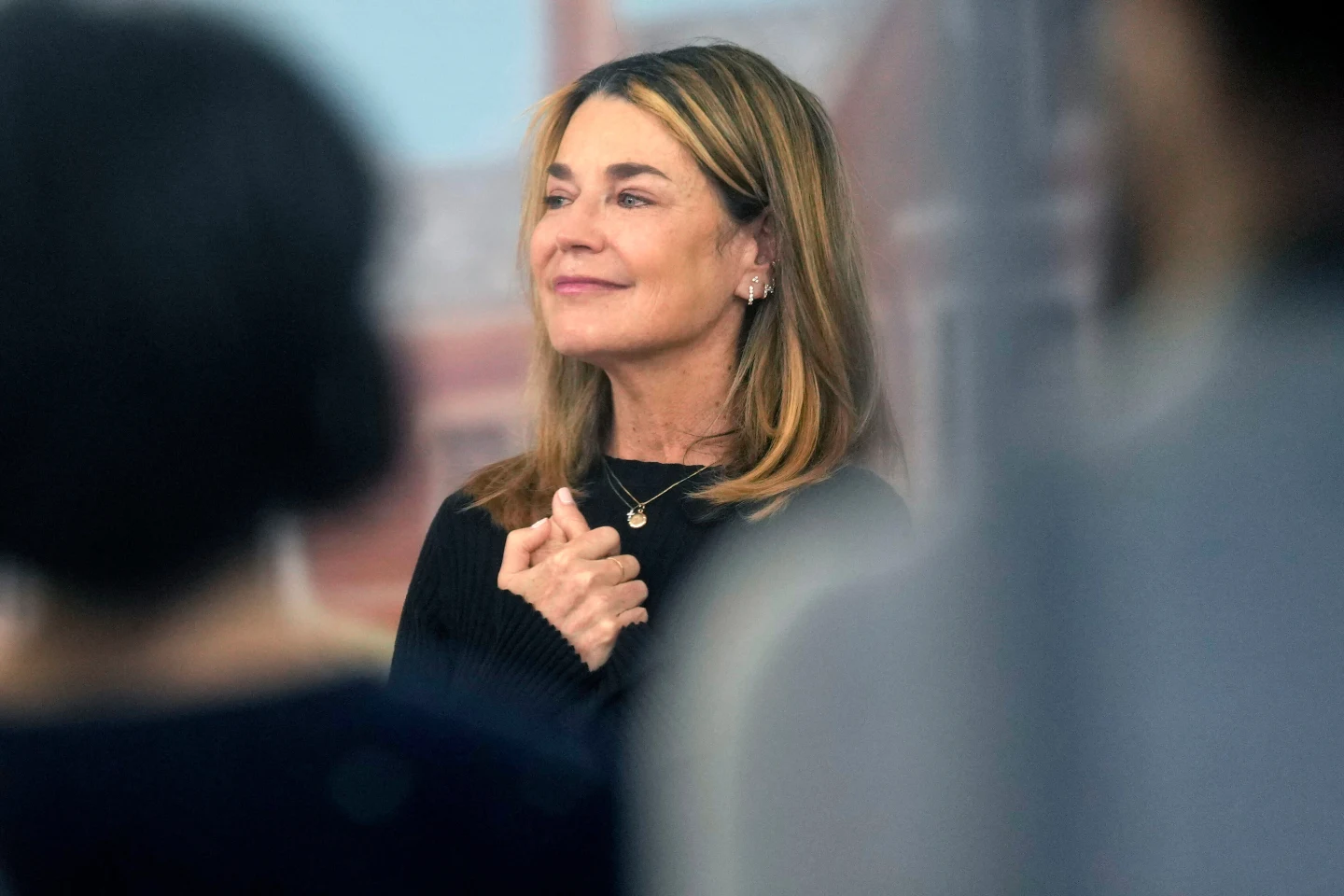
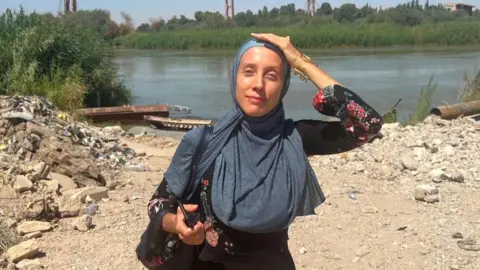
Courtney Williams, 40, of Wagram, North Carolina, is accused of violating federal law, as well as multiple nondisclosure agreements by sharing details of her work with a “special military unit” at Fort Bragg, North Carolina.
“Anyone divulging information they vowed to protect to a reporter for publication is reckless, self-serving, and damages our nation’s security,” Reid Davis, the FBI special agent in charge in North Carolina, said in a U.S. Justice Department news release.
Williams “swore an oath to safeguard our nation’s secrets as an employee supporting a Special Military Unit of the Army but she allegedly betrayed that oath by sharing classified information with a media outlet and putting our nation, our warfighters, and our allies at risk,” Roman Rozhavsky, an assistant director of the FBI’s Counterintelligence and Espionage Division, stated.
Having appeared in federal court, she has been charged under the Espionage Act, and remains in custody pending further hearings.
Although her specific charge details have not linked Williams to any identified journalist, the timeline matches an article and book discussing the Army’s Delta Force, as noted in a recent portfolio linking to allegations of misconduct within military ranks.
Critically, after years of classified operation as an employee, Williams sought to speak out on issues related to her experiences, marking her as significant in an ongoing discourse around workplace conduct within elite forces. However, this has led to serious legal ramifications for her actions in allegedly informing the media.
In response to the allegations, an FBI affidavit mentioned that Williams had a considerable number of interactions with the unnamed journalist, leading to scrutiny of her communications, suggesting she had intentions to disclose rounded amounts of sensitive military information.
“I might actually get arrested, and I don’t even get a free copy of the book,” Williams allegedly disclosed to her family, indicating the gravity of her situation as the investigation continues to unfold.
Williams's case is a stark reminder of the challenges for individuals within classified military environments when navigating their personal queries against institutional secrecy.