In brief
In a shocking turn, Alberta voters sent a decisive message of unity in a recently held independence referendum, with over two‑thirds choosing to stay in Canada. The result, declared non‑binding by Premier Tyler Smith, is widely seen as a hard blow to the separatist movement that had grown from years of western alienation. Separatist leader Mitch Sylvestre lamented the outcome, while others like Jeffrey Rath vowed to keep the conversation alive. The victory also strengthens federal confidence, as Prime Minister Mark Carney praised the clear choice of Albertans. The future of the region’s autonomy debate remains uncertain as leaders weigh new legislative measures to address longstanding grievances.
Preliminary count from Alberta’s referendum shows a decisive win for unity, with more than two‑thirds of voters rejecting independence and sending a clear message that the province will stay in Canada.
The result, declared non‑binding by Premier Tyler Smith, is the first major setback for the separatist camp that had grown out of long‑standing western alienation.
Separatist leader Mitch Sylvestre summed up the mood in one sentence after the news: "Not happy." The party’s spokespersons, including lawyer Jeffrey Rath, said the movement is far from gone, pledging to keep the conversation alive.
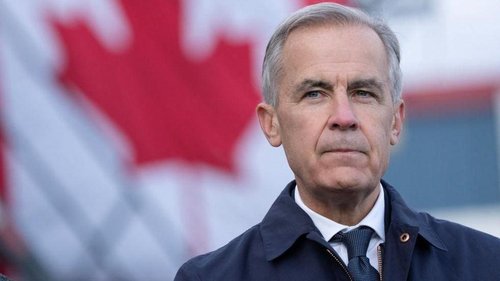
Prime Minister Mark Carney welcomed the outcome, calling it a clear choice by Albertans and reaffirming that a future referendum would not be held if the people voted against it.
The vote also lifts the moral authority of the federal government, which had often been blamed for undermining Alberta’s oil and gas interests through environmental policies.
Alberta’s Premier has positioned her government to address these grievances by proposing a new pipeline to the Pacific and other autonomy measures, a promise that may rekindle debate over the province’s role in Canada.
Looking forward, the political landscape will hinge on whether the separatist movement can refocus its message and whether policymakers can meet the enduring frustrations of Albertans without resorting to another referendum.