In brief
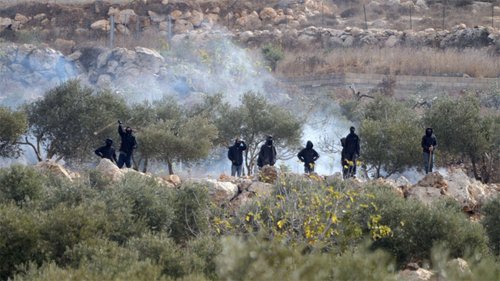
The rugged northwestern borderlands of Pakistan have been infamous for lawlessness, a region once described by President Obama as “the most dangerous place in the world.” In a bid to stabilize this volatile area, the Pakistani government attempted a reform in 2018, merging the semi-autonomous Federally Administered Tribal Areas (FATA) into the country's legal and political framework. This integration was intended to stimulate economic growth and decrease militancy. However, the government's effort is widely regarded as a failure today as these regions experience a resurgence in terrorism, particularly following the Taliban’s resurgence in Afghanistan in 2021.
The escalating violence has seen terrorism-related fatalities in Pakistan soar to over 1,000 in the last year, a staggering increase from 250 in 2019, as reported by the Institute for Economics and Peace. The statistical ranking places Pakistan among the most impacted countries worldwide, trailing only Burkina Faso on the continent of Africa. This stark rise in peril can be attributed to longstanding colonial-era laws that sought to control the population rather than serve its needs.Despite the reforms aimed at integrating this underdeveloped region with surrounding provinces, experts argue that deep-seated issues remain unresolved. The deteriorating law and order situation presents a significant hurdle for Pakistan—a nation of approximately 250 million that is already battling economic woes and political strife. As citizens rally for improved security measures, the region's struggle epitomizes a broader national challenge, where governance efforts appear to exacerbate rather than mend societal rifts.