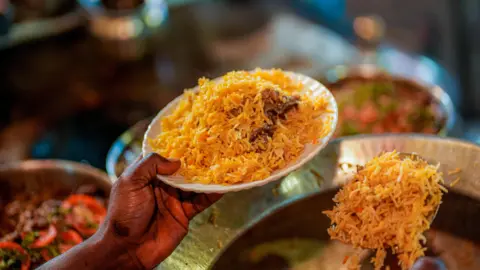
The conversation around "ducana," a sweet potato and coconut dumpling, is emblematic of a larger cultural reckoning. Dr. Hazra Medica, the project leader, underscores the importance of intergenerational knowledge transmission. With the rise of external influences, there’s a palpable fear that the unique aspects of Antiguan identity could be lost. Surveys are being conducted across parishes to gather stories and preserve traditions, reinforcing the notion that cuisine is a potent symbol of cultural identity.
Local author Joy Lawrence highlights her work documenting the nation's Creole/English dialect as a means of preserving its African linguistic roots. Lawrence recalls how the dialect, once looked down upon, is now celebrated as a pivotal feature of Antiguan identity, emphasizing that losing it would equate to losing a vital part of their history.
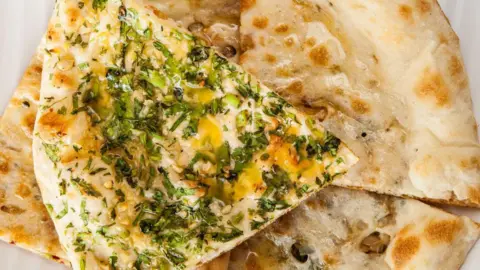
Disputes over culinary practices, such as the proper way to prepare "fungee," further reflect a community navigating its cultural landscape. While some prefer okra, others insist on peas, showcasing the diverse culinary heritage of the region. This divergence of opinions indicates a delicate balance between preserving tradition and embracing innovation.
Beverage producer Novella Payne and broom-maker Dwight Benjamin contribute to the ongoing conversation about cultural retention. Payne integrates local ingredients known for their medicinal properties into her recipes, preserving age-old practices. Benjamin, a custodian of traditional broom-making, laments its decline, voicing hope for future generations to continue these cultural practices.
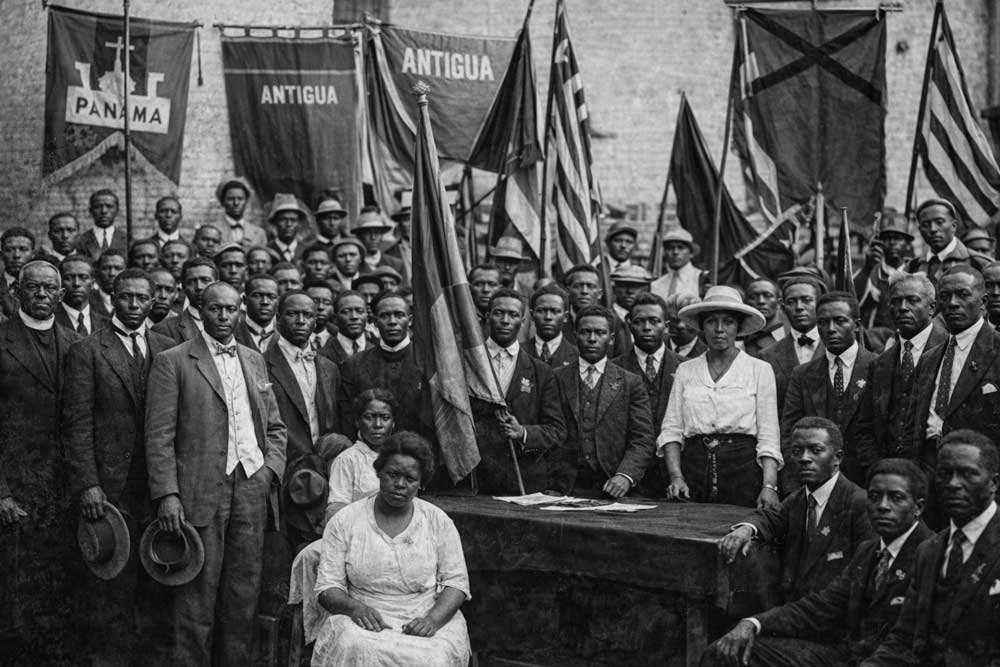
Dr. Medica articulates a broader narrative about Caribbean identity shaped by colonial history. This project is not only a celebration of heritage but a reclaiming of personhood for the Antiguan people. The goal is to foster a deep acknowledgment of cultural roots while addressing the challenges posed by globalization and modern influences.
As the debate over raisins in "ducana" continues, it serves as a catalyst for a larger movement aimed at cultural preservation, ensuring that the stories, languages, and traditions of Antigua and Barbuda thrive for generations to come.
Local author Joy Lawrence highlights her work documenting the nation's Creole/English dialect as a means of preserving its African linguistic roots. Lawrence recalls how the dialect, once looked down upon, is now celebrated as a pivotal feature of Antiguan identity, emphasizing that losing it would equate to losing a vital part of their history.
Disputes over culinary practices, such as the proper way to prepare "fungee," further reflect a community navigating its cultural landscape. While some prefer okra, others insist on peas, showcasing the diverse culinary heritage of the region. This divergence of opinions indicates a delicate balance between preserving tradition and embracing innovation.
Beverage producer Novella Payne and broom-maker Dwight Benjamin contribute to the ongoing conversation about cultural retention. Payne integrates local ingredients known for their medicinal properties into her recipes, preserving age-old practices. Benjamin, a custodian of traditional broom-making, laments its decline, voicing hope for future generations to continue these cultural practices.
Dr. Medica articulates a broader narrative about Caribbean identity shaped by colonial history. This project is not only a celebration of heritage but a reclaiming of personhood for the Antiguan people. The goal is to foster a deep acknowledgment of cultural roots while addressing the challenges posed by globalization and modern influences.
As the debate over raisins in "ducana" continues, it serves as a catalyst for a larger movement aimed at cultural preservation, ensuring that the stories, languages, and traditions of Antigua and Barbuda thrive for generations to come.