In brief
With a peaceful campaign leading up to Thursday's snap elections, Sri Lankans prepare to elect new parliamentary representatives just weeks after appointing a new president, testing his resolve amid ongoing economic hardships.
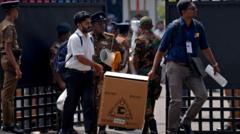
Sri Lanka's electorate, comprising 17.1 million residents, will cast their votes Thursday in a snap parliamentary election that comes merely seven weeks after the country appointed a new president. Over 8,800 candidates from 49 political parties and 284 independent groups are in contention. The election is poised to begin at 07:00 local time (01:30 GMT) and conclude by 16:00 (10:30 GMT), with counting to commence in the evening and results anticipated by Friday.Despite a plethora of candidates, only about 1,000 of them have actively campaigned, according to Rohana Hettiarachchi, executive director of the poll monitoring group People’s Action for Free and Fair Elections. The country is still grappling with the repercussions of the political unrest stemming from high inflation and shortages of food and fuel, leading to the ousting of former President Gotabaya Rajapaksa in 2022. His successor, Ranil Wickremesinghe, secured a $3 billion bailout from the International Monetary Fund, yet many citizens, like 26-year-old garment worker Manjula Devi, express continued economic struggle.The percentage of Sri Lankans living below the poverty line has surged to 25.9% over the past four years, with the World Bank projecting meager economic growth of only 2.2% for 2024. Raisa Wickrematunge, deputy editor at Himal Southasian, underscores that the country has not yet fully emerged from its economic crisis, despite the IMF assistance.This election is expected to be a tough contest, challenging President Anura Kumara Dissanayake and his party, Janatha Vimukthi Peramuna, as they aim to enact significant reforms. Analysts warn that Dissanayake may struggle to secure a two-thirds majority, potentially leading to reliance on coalitions that could complicate governance. The political climate heading into the election has remained notably calm, with a marked absence of violence or significant misuse of government resources, a departure from previous election cycles. "Violence is negligible compared to previous elections. It will be peaceful elections," Hettiarachchi hopes, as voters prepare to shape the political landscape of Sri Lanka in a time of crisis.