In brief
At least eight lives have been claimed by intense storms sweeping across Brazil, with São Paulo hit hardest. The deluge follows a prolonged drought, prompting a mixed reaction among residents.
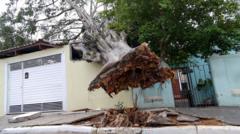
Amid Brazil's struggle with its worst drought in recorded history, violent storms have swept central and southeastern regions, leading to at least eight fatalities. São Paulo, the country's busiest state, faced the brunt of the weather, suffering from winds just shy of 100 km/h and deluged with 10 cm of rain in a day. The gale-force conditions led to fatalities primarily from fallen trees and infrastructure collapses. Large-scale power outages ensued, leaving over 1.3 million households and businesses powerless, with some areas enduring over 24 hours without electricity. The energy provider Enel is working to restore services, aiming for completion by Monday. Brasilia, the capital, also reported significant disruption as storms infiltrated crucial infrastructure, even halting parliamentary proceedings. However, the downpour offered a reprieve from the savaging drought that has stretched over 165 days, attributed to climate change and an intensified El Niño effect. This period of aridity exacerbated wildfires across the Amazon and Pantanal, setting unprecedented records for destruction and environmental impact. While the storms bring necessary rain, they simultaneously highlight Brazil's vulnerability to climate extremes.